But I stopped him. "We need to understand the full extent of this," I said, my voice weary. "We need to know what else he planned."
As we pieced together Silas’s scheme, a chilling pattern emerged. He hadn’t just focused on my reproductive health; he’d also been subtly influencing my diet, my lifestyle, ensuring I remained in optimal condition for… this. It was a decades-long manipulation, a betrayal of trust that cut deeper than any wound. The weight of it threatened to crush me. And then, David discovered a final entry in the journal, a cryptic warning: “The child will inherit more than just my bloodline.
It will inherit my… gift.” Gift? What did Silas mean by that? A cold dread settled over me. This wasn’t just about a child; it was about something far more sinister, something hidden within Silas’s genetics, waiting to be unleashed.
Chapter 4: The Unseen Burden
David spent hours researching Silas’s life, poring over old newspaper articles and family records. He discovered Silas had been a renowned botanist, specializing in rare and exotic plants. But his research had taken a dark turn, delving into the realm of genetic modification and the potential for enhancing human capabilities.
“He wasn’t just interested in preserving his bloodline, Mom,” David said, his voice grave. “He was trying to create something… extraordinary.” He found evidence of Silas’s experiments with a rare Amazonian orchid, rumored to possess unique properties affecting human cognition and resilience.
Silas had believed the orchid held the key to unlocking untapped human potential, and he had secretly incorporated its genetic material into his own, hoping to pass it on to his descendants. The “gift” wasn’t a metaphorical blessing; it was a genetic alteration, a potentially dangerous enhancement. I felt a wave of panic wash over me.
I was carrying not just a child, but a living experiment, a testament to my brother’s hubris. The doctors confirmed my fears. Preliminary tests showed traces of a unique genetic marker in the fetal DNA, a marker consistent with the Amazonian orchid.
“We don’t know what this means, Mrs. Margareta,” the lead geneticist explained, her voice cautious. “The orchid’s properties are largely unknown. It could enhance the child’s abilities, or it could have unforeseen consequences.” I was terrified.
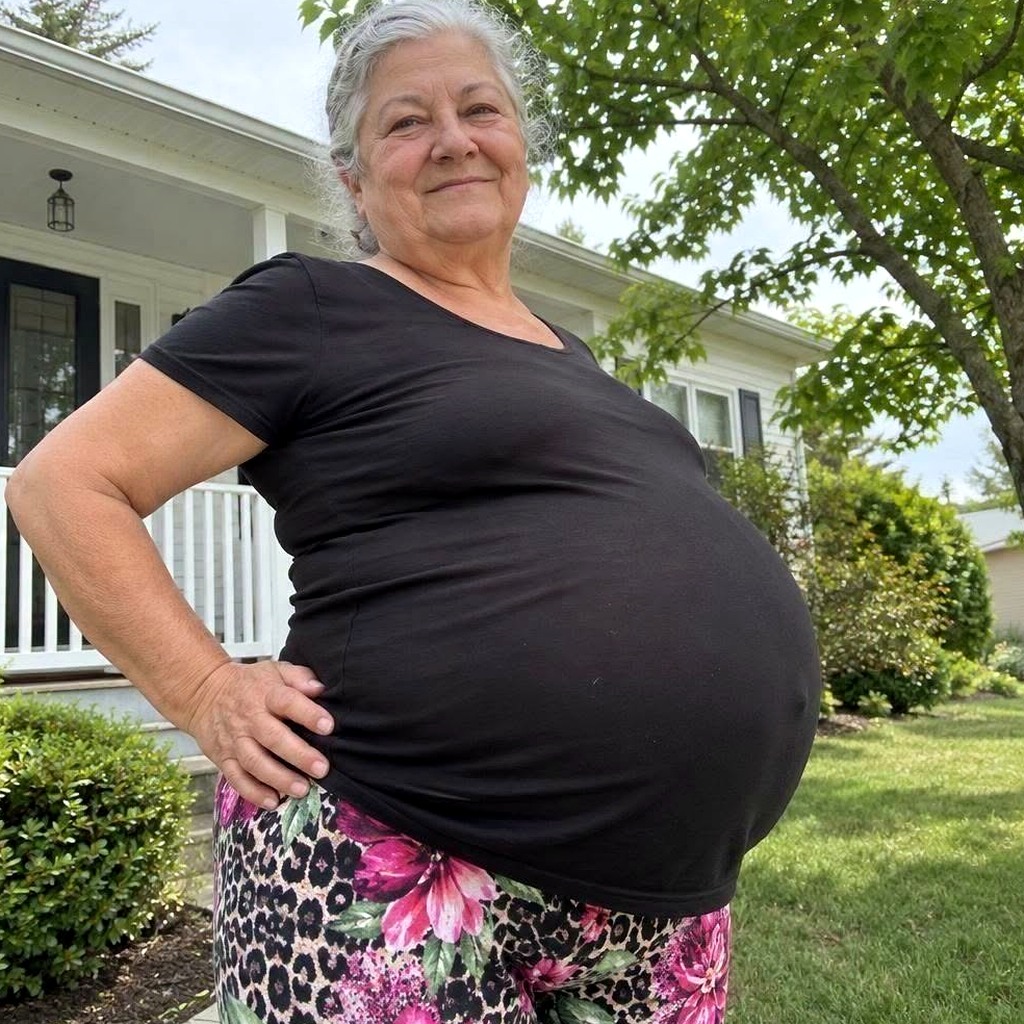
David, determined to protect his mother and the unborn child, began frantically searching for a way to reverse Silas’s genetic manipulation. But time was running out. My belly continued to grow, the movements inside becoming stronger, more insistent. And then, one evening, I experienced a strange sensation – a vivid, almost overwhelming surge of mental energy, accompanied by a fleeting vision of lush, green foliage and a dark, shadowy figure. Silas was communicating with me, somehow, through the child within.
Chapter 5: The Bloom of Justice
The visions intensified, becoming more frequent and more disturbing. Silas wasn’t just communicating; he was attempting to influence me, to guide the child’s development, to ensure his “gift” flourished. I felt a growing sense of desperation, a fear that I was losing control of my own body, my own mind. David, witnessing my distress, contacted a specialist in bioethics, Dr.
Eleanor Vance, who had a reputation for tackling complex and controversial cases. Dr. Vance proposed a radical solution – a targeted gene therapy to neutralize the effects of the orchid’s genetic material. It was risky, but it was our only hope.
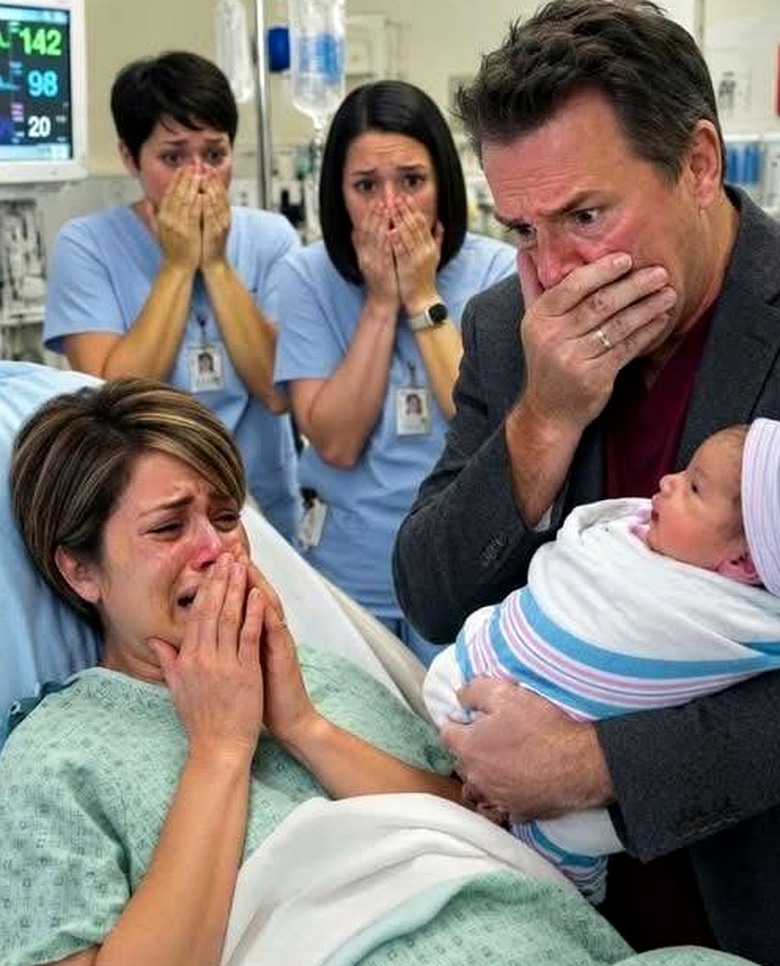
The therapy was a success. The visions ceased, and I felt a sense of clarity return. But the genetic marker remained, a subtle reminder of Silas’s intervention. Nine months after the initial shock, I gave birth to a healthy baby girl, whom I named Hope.
Hope was a beautiful child, but she was also… different. She possessed an extraordinary intellect and an uncanny ability to connect with nature. She could coax plants to bloom with a single touch, and she seemed to possess an intuitive understanding of the world around her.
But it wasn’t the “gift” Silas had envisioned. It wasn’t about power or control; it was about harmony and healing. Hope’s presence had a calming effect on everyone she encountered, and she seemed to radiate a sense of peace. The inheritance wasn’t a curse; it was an opportunity.
Silas, in his twisted way, had inadvertently created something beautiful, something that could bring healing and understanding to a world in desperate need of both. As I held Hope in my arms, I realized that karma wasn’t about punishment; it was about transformation. Silas’s obsession had brought chaos and pain, but it had also given birth to Hope, a symbol of renewal and the enduring power of life. And as Hope smiled, her eyes sparkling with an ancient wisdom, I knew that Silas’s legacy wasn’t one of control, but of unexpected grace.
Cut From the Guest List: A Sister’s Heartbreaking Choice at Her Sister’s Wedding