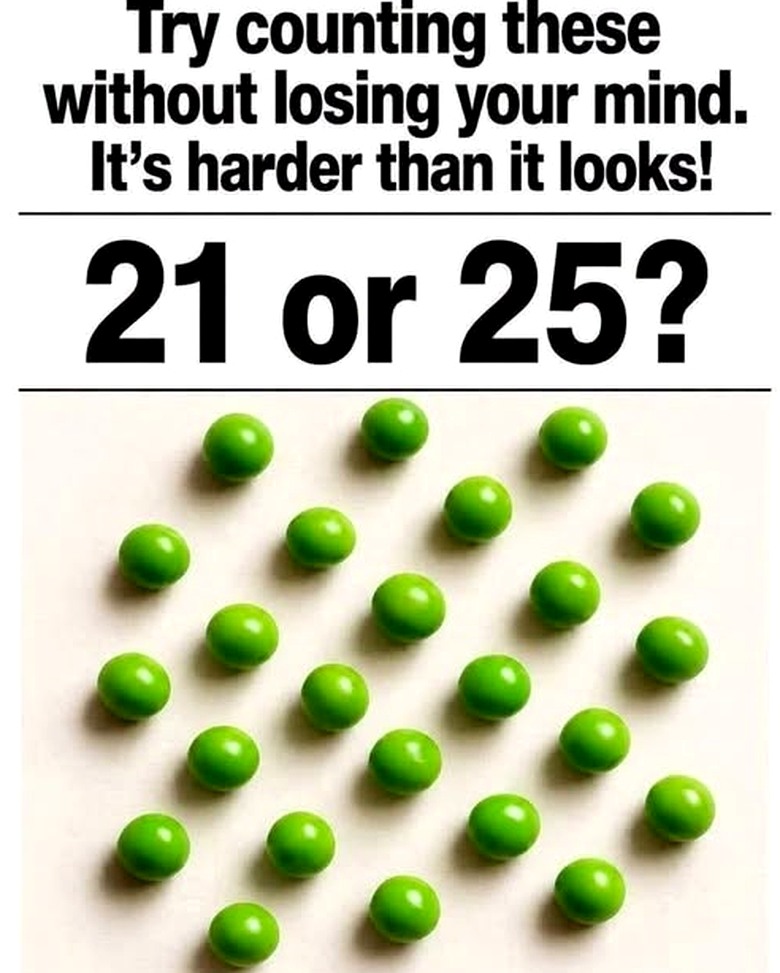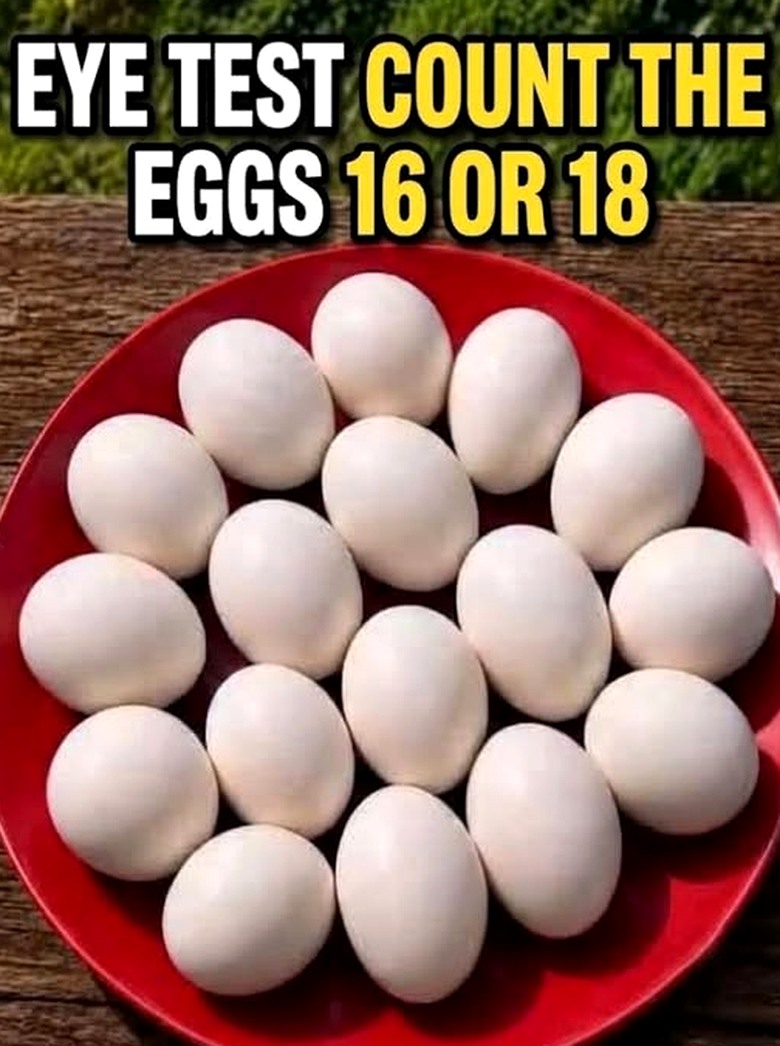
The viral math puzzle that has been making the rounds on social media has left many people scratching their heads. The puzzle, which involves a simple math problem, has been reported to stump around 90% of people who attempt to solve it. But what makes this puzzle so tricky, and how can you increase your chances of solving it correctly?
The Puzzle Explained
The puzzle in question is a straightforward math problem that requires basic arithmetic operations. However, the way the problem is presented can be misleading, leading many people to arrive at an incorrect solution. The puzzle typically involves a series of numbers and mathematical operations, and the goal is to arrive at a correct solution by following the order of operations.
Why Most People Get It Wrong
So, why do so many people get this puzzle wrong? The answer lies in the way our brains process information and the assumptions we make when solving math problems. Many people tend to rush through the problem, failing to notice the subtle details that can make all the difference. Others may apply the wrong mathematical operations or fail to follow the order of operations, leading to an incorrect solution.
Another reason people struggle with this puzzle is that it often involves a bit of lateral thinking. The puzzle may require you to think outside the box and consider unconventional solutions, which can be challenging for those who are used to following traditional math problem-solving strategies.
Despite the challenges, the viral math puzzle has sparked a lot of interest and debate online, with many people sharing their solutions and explanations. However, it's worth noting that the puzzle is not just about arriving at the correct solution; it's also about understanding the underlying math concepts and principles that make the puzzle work.
As we delve deeper into the puzzle, it becomes clear that there's more to it than meets the eye. The puzzle has a rich history, and its origins can be traced back to ancient math problems. By exploring the puzzle's background and the math principles that underlie it, we can gain a deeper understanding of why it's so tricky and how to increase our chances of solving it correctly.
But before we dive into the solution and explanation, let's take a step back and consider the bigger picture. What can we learn from this puzzle, and how can we apply the principles and strategies to other areas of our lives? The answer to this question will have to wait until the next part of our guide, where we'll reveal the complete step-by-step method for solving the puzzle and explore the scientific and practical explanations behind it.
Experienced American homeowners and maintenance specialists consistently emphasize that paying attention to these small, everyday details prevents costly mistakes down the road. By taking five quiet minutes to inspect the setup, test the method on a small corner first, and follow a consistent seasonal routine, you get reliable, spotless results without harsh chemicals or unnecessary expense.
Yet that is only half the story—what happens next when you apply the second step is where the real difference begins.