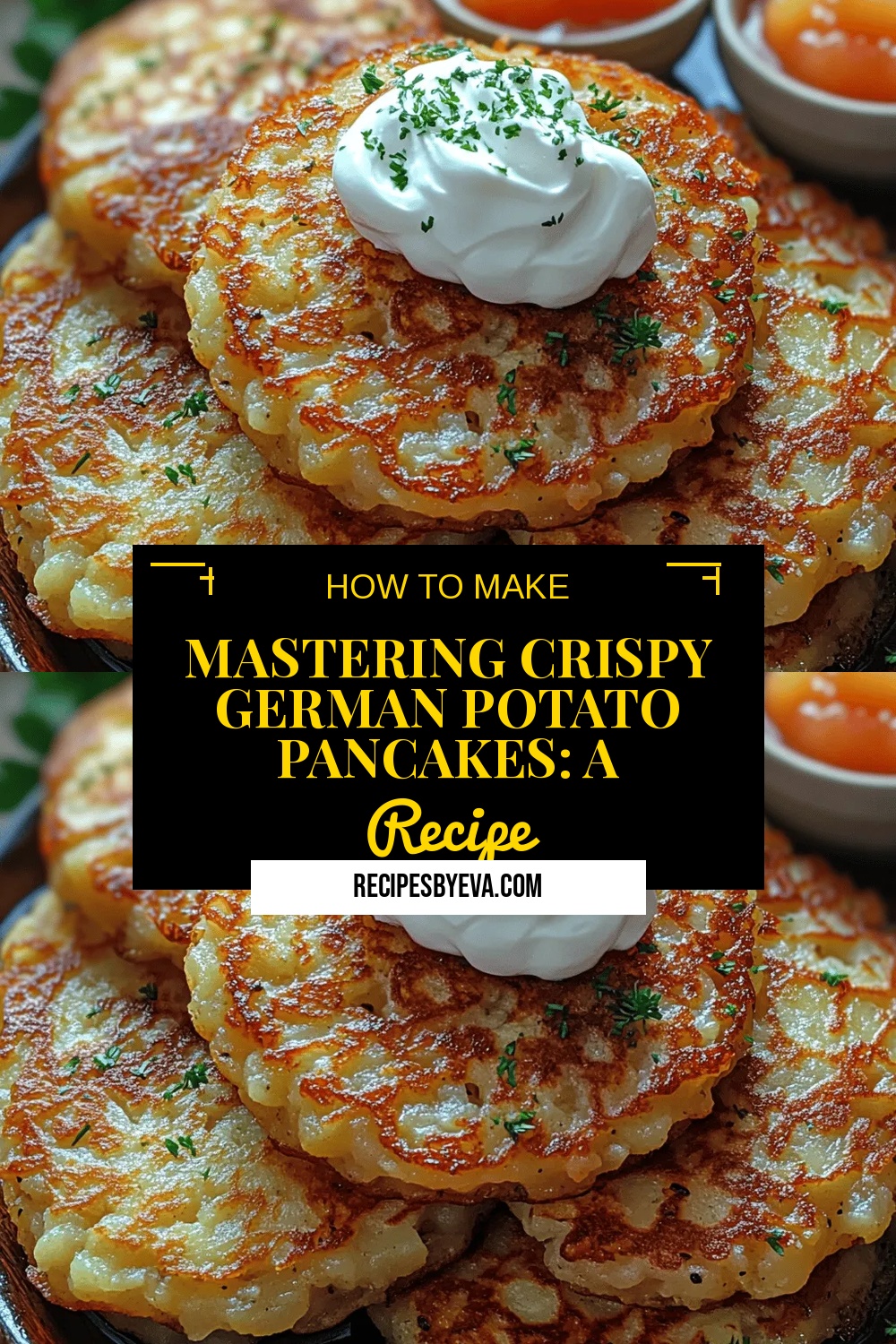
Mastering Crispy German Potato Pancakes: A Delicious Tradition
 Save
Save
There’s something undeniably comforting about the sizzle of a golden‑brown potato pancake hitting a hot skillet. Mastering Crispy German Potato Pancakes brings that comforting crackle straight to your kitchen, turning humble tubers into a star‑worthy side or main.
What makes this dish special is the perfect balance of crisp exterior and fluffy interior, achieved by grating potatoes, squeezing out excess moisture, and frying at the right temperature. A whisper of onion, a touch of flour, and a dash of nutmeg give each bite depth without overwhelming the potato’s natural sweetness.
This recipe will win over anyone who loves hearty comfort food—whether you’re feeding a family, impressing guests at a brunch, or craving a satisfying snack after a long day.
The process is straightforward: grate, season, bind, shape, and fry. With a few simple techniques you’ll learn why German kitchens have cherished these pancakes for generations.
Why You'll Love This Recipe
Crisp‑to‑Fluffy Contrast: The high‑heat sear creates a caramelized crust while the grated potato core stays light and airy, delivering a satisfying texture in every bite.
Simple, Everyday Ingredients: All components are pantry staples—potatoes, onion, egg, and flour—so you won’t need a special shopping trip to enjoy authentic German flavor.
Versatile Serving Options: Serve them as a savory side with smoked salmon, as a sweet treat with applesauce, or as a base for poached eggs—your imagination sets the menu.
Quick Weeknight Solution: From start to plate in under 45 minutes, these pancakes fit perfectly into busy evenings without sacrificing flavor or tradition.
Tips & Tricks
Perfecting the Recipe
Dry the Potatoes Thoroughly: Use a clean kitchen towel or cheesecloth to wring out every drop of moisture. This single step makes the biggest difference in achieving a truly crispy crust.
Maintain Consistent Oil Temperature: If the oil cools between batches, the pancakes will absorb more fat and become soggy. Adjust the burner as needed to keep a steady sizzle.
Use a Heavy Skillet: Cast iron or stainless steel retains heat better than non‑stick pans, delivering an even, deep brown surface.
Don’t Over‑mix the Batter: Over‑stirring develops gluten, which can make the pancakes tough. Mix just until ingredients are combined.
Flavor Enhancements
For an extra flavor boost, stir in a tablespoon of finely chopped fresh herbs (parsley or dill) into the batter. A pinch of smoked paprika adds a subtle smoky note, while a splash of lemon juice on the finished pancakes brightens the palate.
Common Mistakes to Avoid
Skipping the resting step after frying leads to soggy pancakes because steam gets trapped. Also, using too much flour can make the pancakes dense; stick to the measured amount and only add a little more if the batter feels watery.
Pro Tips
Batch Fry in a Shallow Pan: A wide, shallow pan lets you fry more pancakes at once without crowding, preserving that coveted crunch.
Season the Oil Lightly: Add a pinch of salt to the oil before each batch; it enhances the outer crust without over‑seasoning the interior.
Serve on Warm Plates: Warm plates keep the pancakes crisp longer, preventing the steam from softening the edges.
Use a Thermometer: Keeping oil at 350°F (175°C) guarantees consistent browning and reduces the risk of greasy pancakes.
Variations
Ingredient Swaps
Replace half of the potatoes with sweet potatoes for a subtle sweetness and a vibrant orange hue. For a richer flavor, substitute part of the flour with fine cornmeal. Adding grated zucchini (well‑drained) introduces extra moisture and a fresh garden note.
Dietary Adjustments
Gluten‑free diners can swap all‑purpose flour for a 1:1 gluten‑free blend. To keep the dish dairy‑free, use a neutral oil only and serve with a plant‑based yogurt dip. For a low‑carb version, replace the flour with almond flour and reduce the amount of potatoes, supplementing with cauliflower rice.
Serving Suggestions
Pair the pancakes with a hearty mushroom ragout for an autumnal feast, or top them with smoked salmon, dill, and a dollop of crème fraîche for brunch. A simple side of pickled red cabbage adds acidity that cuts through the richness.
Storage Info
Leftover Storage
Allow pancakes to cool completely, then arrange them in a single layer inside an airtight container. Cover with a paper towel to absorb residual oil. Refrigerate for up to 3 days. For longer storage, wrap each pancake in plastic wrap, place in a freezer‑safe bag, and freeze for up to 2 months.
Reheating Instructions
Reheat in a preheated 375°F (190°C) oven on a wire rack for 8‑10 minutes, flipping halfway through to restore crispness. If you’re short on time, a quick pan‑fry with a thin splash of oil over medium heat for 2‑3 minutes per side works well. Avoid microwaving alone, as it makes the crust soggy.
Frequently Asked Questions
Can I make the pancake batter ahead of time?
What type of potatoes give the best texture?
How can I keep the pancakes from sticking to the pan?
What are traditional German toppings for these pancakes?
This guide gives you everything needed to master the art of crispy German potato pancakes—from ingredient selection and precise technique to storage and creative twists. Follow the steps, apply the tips, and feel free to experiment with herbs, toppings, or alternative flours. The result is a timeless, crowd‑pleasing dish that brings a touch of German tradition to your table. Enjoy the satisfying crunch and comforting flavor of your homemade Kartoffelpuffer!
Mastering Crispy German Potato Pancakes: A Delicious Tradition
Delicious Mastering Crispy German Potato Pancakes: A Delicious Tradition
Ingredients
Main Ingredients
- 2 lb (≈ 900 g) starchy potatoes (e.g., Russet)
- 1 medium onion, finely grated
- 2 large eggs, lightly beaten
- ¼ cup (30 g) all‑purpose flour
Seasonings
- ½ tsp salt (or to taste)
- ¼ tsp freshly ground black pepper
- ¼ tsp ground nutmeg
Optional Accompaniments
- ½ cup (120 g) applesauce or sour cream for serving
- Fresh chives, finely chopped (optional garnish)
Instructions
Cooking the Pancakes
- Heat the Oil. Place a heavy skillet (cast iron works best) over medium‑high heat and add the oil. Heat until a drop of water sizzles instantly—about 350°F (175°C). This temperature ensures a rapid sear that locks in moisture.
- Drop the Batter. Using a heaping tablespoon, spoon the batter into the hot oil, flattening gently with the back of the spoon to form a ¼‑inch thick pancake. Work in batches, leaving space between each pancake so they fry evenly.
- Fry Until Golden. Cook for 3‑4 minutes on the first side. When the edges turn deep golden and the surface looks set, flip with a thin spatula. Fry the other side another 3‑4 minutes until crisp and browned.
- Drain and Rest. Transfer cooked pancakes to a plate lined with paper towels. This absorbs excess oil and preserves crunch. Keep the finished pancakes warm in a low oven (200°F/90°C) while you finish the remaining batter.
Similar Recipes
 Appetizers
Mini Zucchini Parm Waffle Sliders: Step-by-Step Instructions and More
Delicious Mini Zucchini Parm Waffle Sliders: Step-by-Step Instructions and More
 Appetizers
Best Cranberry Sauce Recipe for Blissful Holiday Feasts
Learn how to make delicious Best Cranberry Sauce Recipe for Blissful Holiday Feasts. Easy recipe with…
 Appetizers
Cheesy Herb Delight Rolls
Delicious Cheesy Herb Delight Rolls
 Appetizers
Crispy Bang Bang Salmon Bites
Learn how to make delicious Crispy Bang Bang Salmon Bites. Easy recipe with step-by-step instructions.
 Appetizers
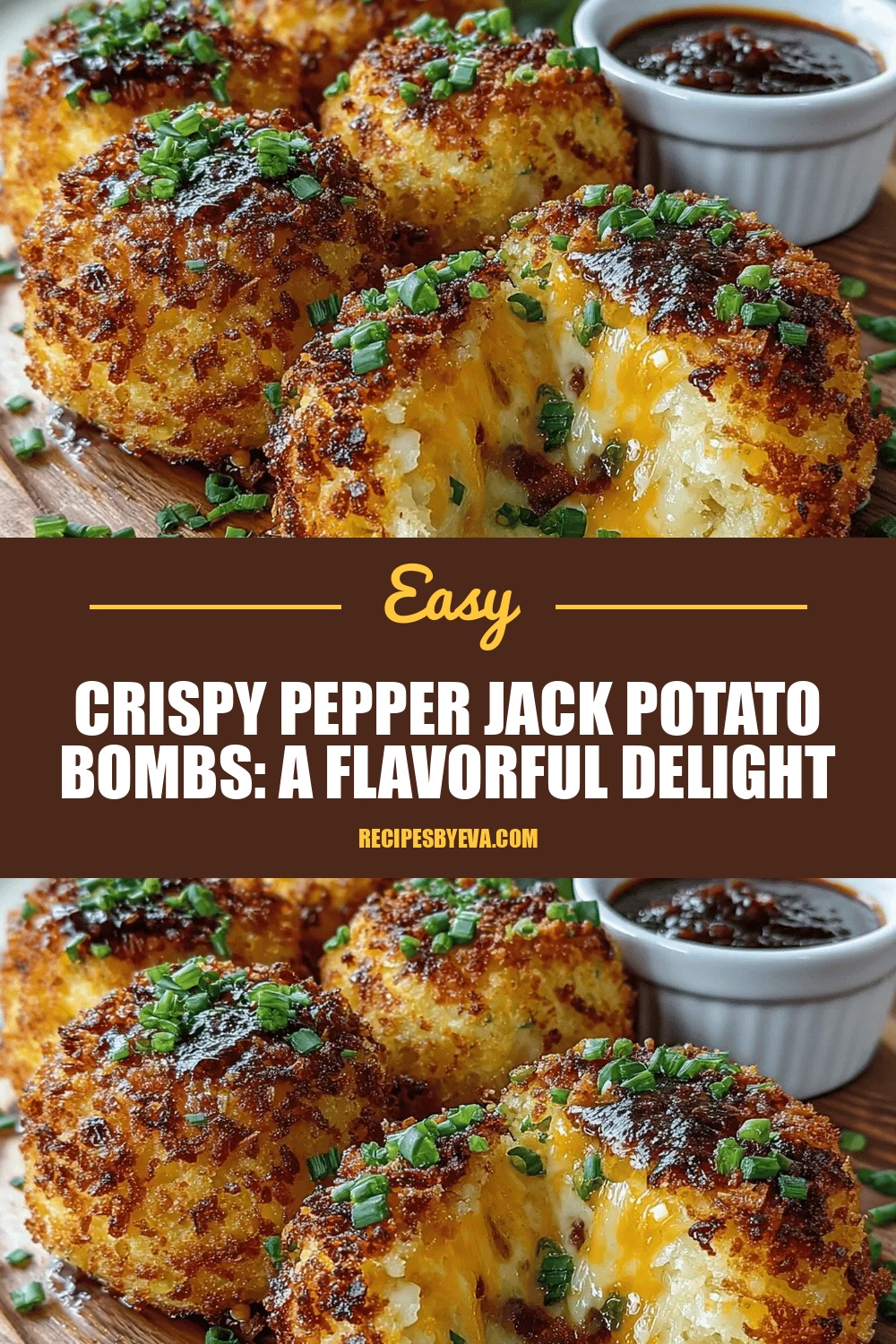
Crispy Pepper Jack Potato Bombs: A Flavorful Delight
Delicious Crispy Pepper Jack Potato Bombs: A Flavorful Delight
 Appetizers
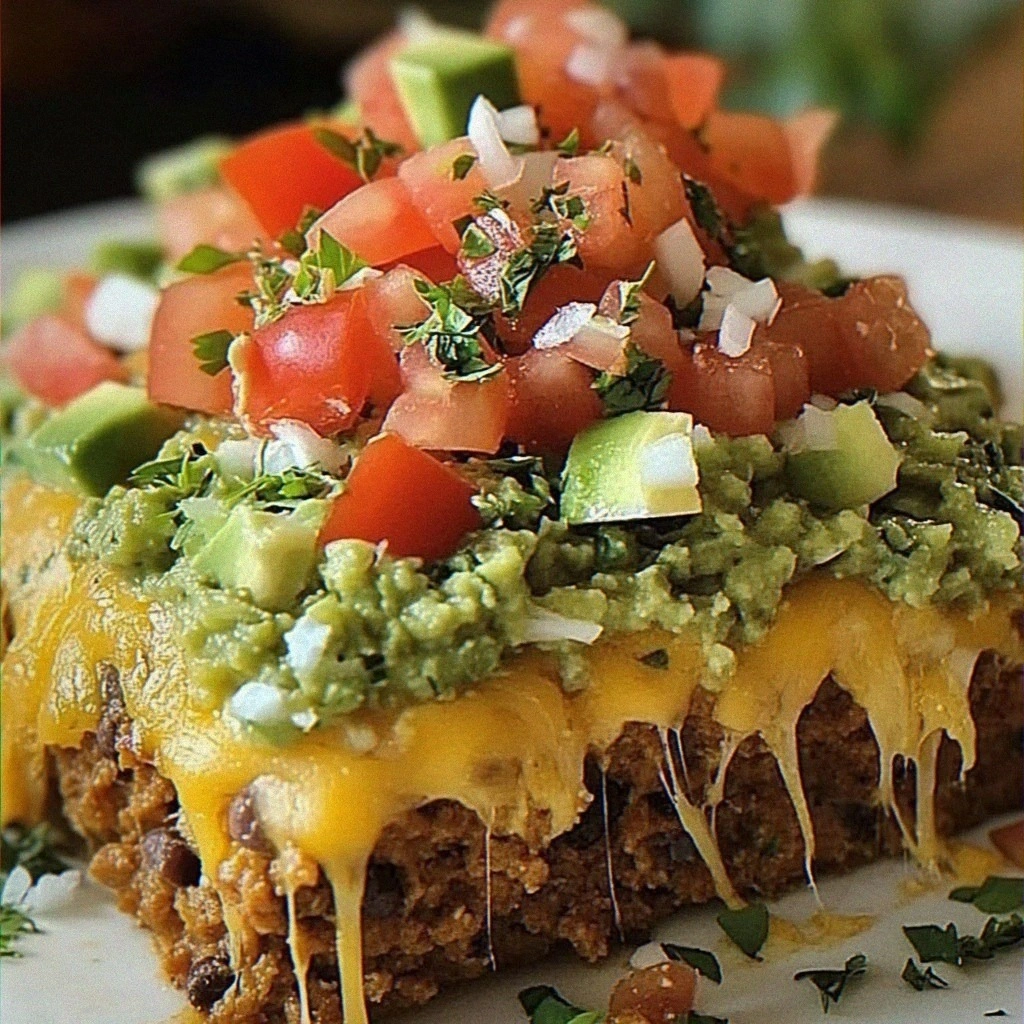
Christmas Tree Taco Dip: 7 Steps to a Festive Delight
Learn how to make delicious Christmas Tree Taco Dip: 7 Steps to a Festive Delight. Easy…
 Appetizers
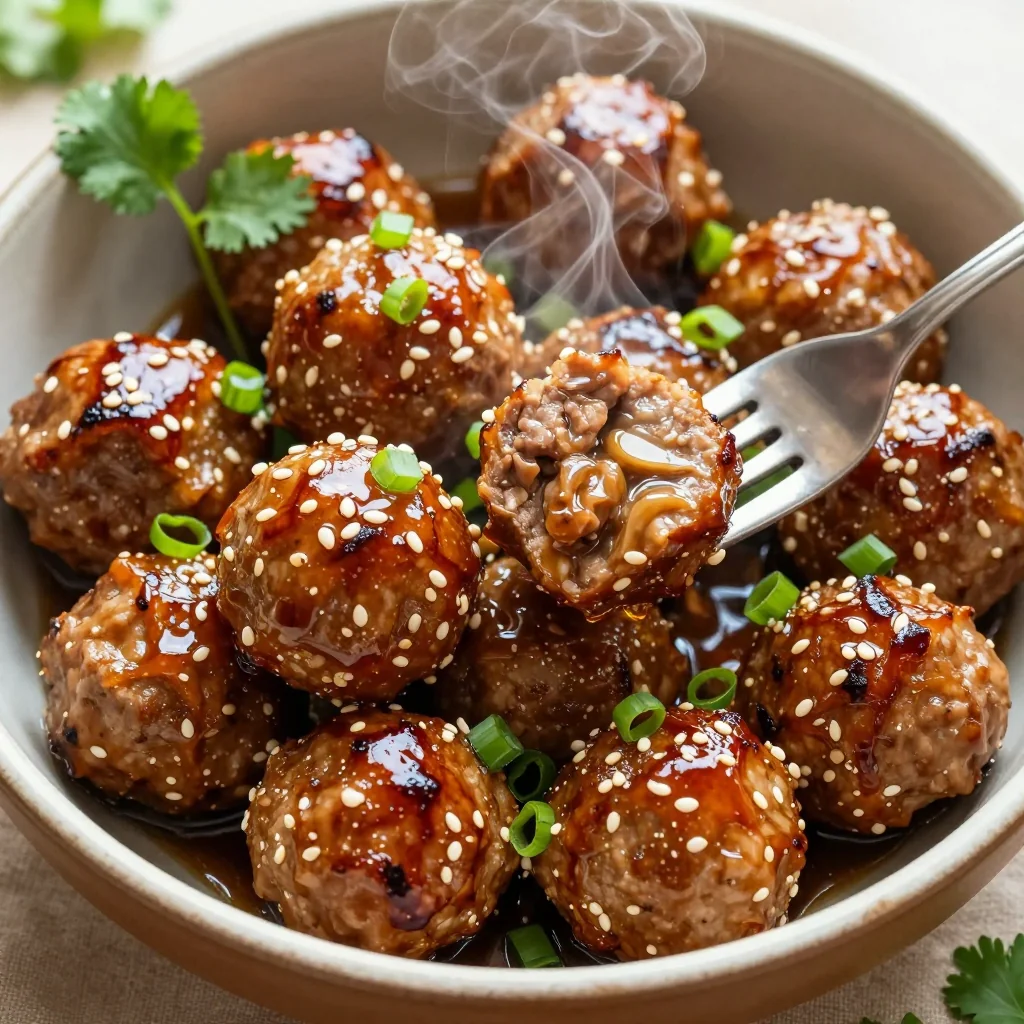
Slow Cooker Honey Garlic Meatballs for a Crowd-Pleasing Appetizer
Learn how to make delicious Slow Cooker Honey Garlic Meatballs for a Crowd-Pleasing Appetizer. Easy recipe…
 Appetizers
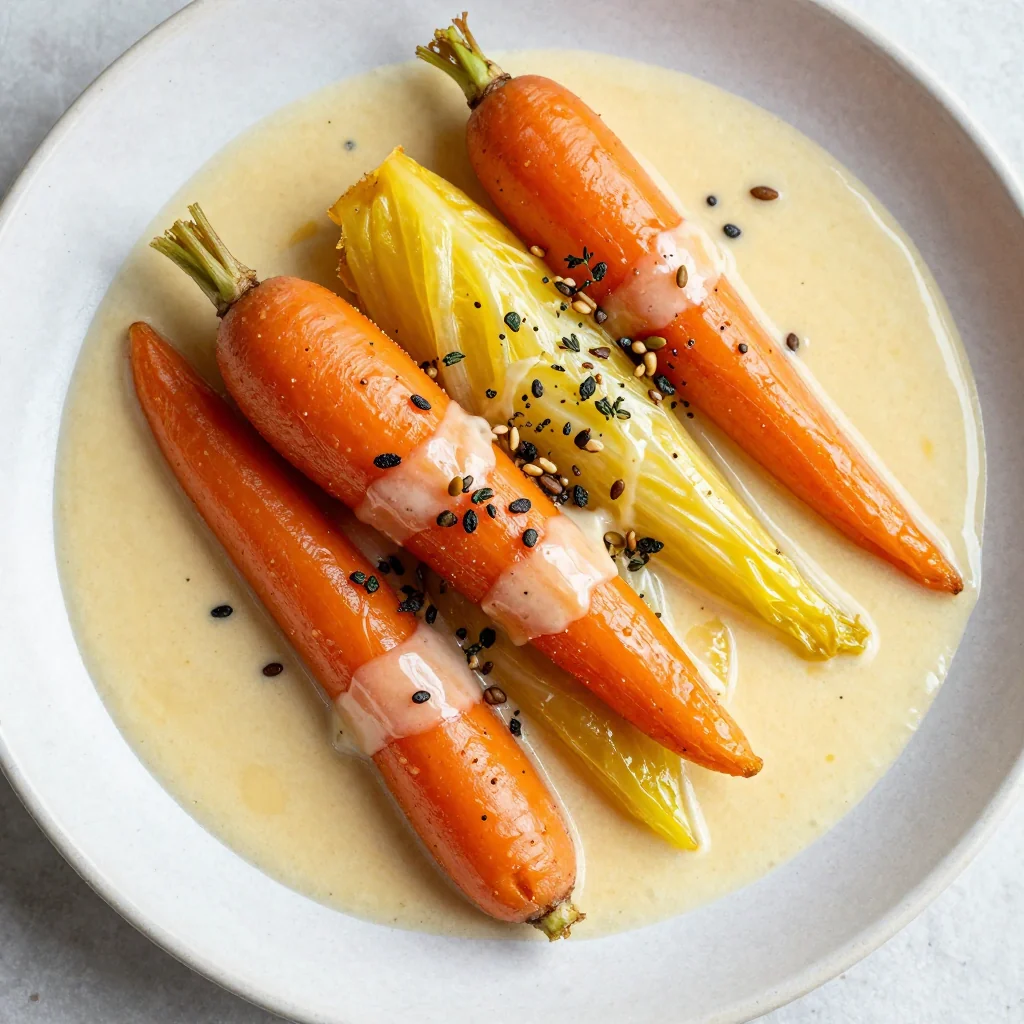
creamy lemon roasted cabbage and carrots for detox and clean eating family meals
Learn how to make delicious creamy lemon roasted cabbage and carrots for detox and clean eating…

Eva
I cook these recipes at home before they ever land here — simple ingredients, clear steps.