Korean Style Pot Roast: 1 unwiderstehliches Wohlfühlgericht
 Save
Save
It was a chilly Saturday evening in late autumn, the kind of night when the wind whistles through the trees and the kitchen becomes the warmest place in the house. I remember pulling a heavy, cast‑iron pot from the pantry, feeling its cool metal against my palm, and instantly picturing a stew that would fill the room with a fragrant cloud of sweet, savory steam. The moment you lift the lid, a cloud of fragrant steam hits you like an old friend, carrying whispers of soy, ginger, and caramelized onions that make your mouth water before the first bite. This is the magic of Korean Style Pot Roast, a dish that wraps you in comfort while still delivering a bold, unforgettable flavor profile.
What makes this pot roast truly special is the way it balances the deep, umami richness of Korean gochujang with the melt‑in‑your‑mouth tenderness of a slow‑cooked beef shoulder. Imagine tender slices that fall apart with a gentle press of a fork, each piece soaked in a glossy, slightly spicy glaze that glistens like a jewel. The dish is a celebration of texture: the caramelized exterior gives way to a juicy interior, while the broth thickens into a velvety sauce that clings to every morsel. Have you ever wondered why restaurant versions taste so different? The secret lies in the patience, the layering of flavors, and a few humble ingredients that most home cooks overlook.
I first discovered this recipe while traveling through the countryside of South Korea, staying with a family who served it at every gathering. They called it “jjigae” in the local dialect, but to me it was simply home. The aroma that drifted from the pot as it simmered for hours reminded me of the first snowfall of the year—soft, quiet, and full of promise. And yet, there’s a twist that I only learned after many attempts: a splash of Korean pear juice that adds a subtle sweetness and helps to tenderize the meat. But wait until you see the secret trick in step 4, where I reveal how a simple garnish can turn this dish from comforting to spectacular.
Now, I’m thrilled to share this recipe with you, because I truly believe it belongs on every family table. Whether you’re feeding a bustling crowd or enjoying a quiet night for two, this pot roast will become the centerpiece of conversation, laughter, and lingering aromas. Here’s exactly how to make it — and trust me, your family will be asking for seconds. Ready to dive in? Let’s get started.
🌟 Why This Recipe Works
- Flavor Depth: The combination of gochujang, soy sauce, and fermented bean paste creates layers of umami that develop over the long simmer, delivering a taste that deepens with every spoonful.
- Texture Harmony: Slow cooking breaks down collagen in the beef, producing a melt‑in‑your‑mouth tenderness while the caramelized exterior adds a satisfying bite.
- Ease of Execution: Despite its gourmet reputation, the recipe requires only one pot and a handful of pantry staples, making it accessible for cooks of any skill level.
- Time Efficiency: While the roast benefits from a longer simmer, most of the time is hands‑off, allowing you to prep sides or relax while the flavors meld.
- Versatility: The base sauce can be tweaked for heat, sweetness, or even a vegetarian version using tofu or mushrooms, so you can adapt it to any dietary preference.
- Nutrition Boost: The dish packs protein, iron, and antioxidants from garlic and ginger, while the modest amount of oil keeps it heart‑friendly.
- Ingredient Quality: By using authentic Korean condiments and fresh aromatics, you elevate a simple pot roast into a culinary experience that feels both exotic and familiar.
- Crowd‑Pleaser Factor: The glossy, richly colored sauce and aromatic steam make it visually stunning, while the balanced heat appeals to a wide range of palates.
🥗 Ingredients Breakdown
The Foundation
The star of this dish is a well‑marbled beef chuck roast, preferably cut into 2‑inch cubes. The marbling provides the fat that renders into the broth, giving it that luscious silkiness. If you can’t find chuck, a brisket or short rib works beautifully, though you’ll need to adjust cooking time slightly. When selecting meat, look for a deep red color and fine white streaks of fat—these are signs of quality that will translate into flavor.
Seasoned with a pinch of sea salt and freshly cracked black pepper, the beef gets its first layer of seasoning before it meets the pan. This simple step is crucial because it creates a flavor base that the later sauces will build upon. Trust me, under‑seasoning at this stage is a common mistake that can leave the final dish tasting flat.
Aromatics & Spices
Garlic and ginger are the dynamic duo that bring brightness and heat to the pot. Minced garlic releases a pungent aroma that mellows as it cooks, while grated ginger adds a citrusy zing that cuts through the richness of the meat. For an extra layer of depth, I sometimes add a sliced Korean pear; its natural sugars caramelize and subtly sweeten the broth.
Onions, sliced thin, become translucent and sweet as they simmer, contributing both texture and a subtle sweetness. The combination of these aromatics creates a fragrant foundation that makes you want to linger in the kitchen longer than you probably should.
The Secret Weapons
Gochujang, the Korean fermented chili paste, is the heart of the sauce. Its complex flavor—spicy, sweet, and umami all at once—gives the pot roast its signature glow. If you prefer milder heat, start with a half‑cup and adjust upward; the sauce will still retain its depth.
Soy sauce provides saltiness and a dark, glossy color, while Korean fermented soybean paste (doenjang) adds an earthy undertone that balances the heat of gochujang. A splash of rice wine (mirin) introduces a gentle acidity that brightens the overall palate. Together, these ingredients create a sauce that is both robust and nuanced.
Finishing Touches
A drizzle of toasted sesame oil right before serving adds a nutty fragrance that lifts the entire dish. Chopped scallions and toasted sesame seeds provide a fresh crunch and visual contrast, making each bite feel lively. Finally, a handful of sliced green chilies can be tossed in for those who love an extra kick.
With your ingredients prepped and ready, let's get cooking. Here's where the fun really begins...
🍳 Step-by-Step Instructions
🔐 Expert Tips for Perfect Results
The Taste Test Trick
Before the final simmer, scoop a spoonful of sauce and let it cool slightly. Taste it and notice if the balance of salty, sweet, and spicy feels right. If the heat is too mild, add a dab more gochujang; if it’s too salty, a splash of water or a pinch of sugar can rescue it. This quick check saves you from a bland final product.
Why Resting Time Matters More Than You Think
Allowing the pot roast to rest off the heat lets the collagen redistribute, resulting in a silkier sauce. I once served it straight from the stove and the meat was still a bit chewy—after learning this, I now always give it a ten‑minute rest, and the difference is night and day.
The Seasoning Secret Pros Won’t Tell You
A dash of fish sauce hidden in the broth adds a deep umami note that’s hard to replicate with salt alone. It’s a common secret in Korean kitchens, and you’ll barely taste it, but your palate will thank you for the depth it brings.
Layering Heat Wisely
If you love heat, add fresh chopped chilies in the last 15 minutes of cooking rather than at the beginning. This way, the chilies retain their bright, sharp bite instead of becoming muted.
The Power of a Good Deglaze
After searing the meat, deglaze the pot with a splash of mirin or rice wine. This lifts the caramelized bits stuck to the bottom, infusing the broth with a sweet, tangy complexity that would otherwise be lost.
🌈 Delicious Variations to Try
One of my favorite things about this recipe is how versatile it is. Here are some twists I've tried and loved:
Mushroom Medley Pot Roast
Swap half of the beef for a mix of shiitake, oyster, and king oyster mushrooms. The earthy mushrooms absorb the sauce beautifully, creating a vegetarian‑friendly version that still delivers that comforting umami punch.
Spicy Coconut Curry Fusion
Add a can of coconut milk and a tablespoon of Thai red curry paste during the simmer. The result is a creamy, fragrant twist that balances the Korean heat with tropical sweetness.
Sweet & Sour Apple Variation
Introduce diced apples and a splash of apple cider vinegar in the last 30 minutes. The apples soften and release a gentle tartness that brightens the sauce, perfect for a fall dinner.
Kimchi‑Infused Pot Roast
Stir in a cup of well‑drained kimchi during the final 20 minutes of cooking. The fermented tang and crunch add a new dimension, making each bite a lively dance of flavors.
Herb‑Forward Green Onion & Cilantro
Finish the dish with a generous handful of chopped cilantro and extra green onions right before serving. This fresh herb lift adds a bright, aromatic finish that contrasts beautifully with the deep sauce.
📦 Storage & Reheating Tips
Refrigerator Storage
Allow the pot roast to cool to room temperature, then transfer it to an airtight container. It will keep fresh for up to 4 days. When reheating, add a splash of broth or water to revive the sauce’s silky texture.
Freezing Instructions
Portion the stew into freezer‑safe bags or containers, leaving a little headspace for expansion. It freezes well for up to 3 months. Thaw overnight in the fridge, then reheat gently on the stove, stirring occasionally.
Reheating Methods
For the best results, reheat on the stovetop over low heat, adding a tablespoon of water or broth per cup of leftovers. If you’re in a hurry, a microwave works, but cover the dish to trap steam and prevent drying out.
❓ Frequently Asked Questions
Can I use a pressure cooker instead of a slow simmer?
What cut of beef is best for this pot roast?
How spicy is this dish, and can I make it milder?
Can I make this dish vegetarian?
Do I need to soak the gochujang before using it?
What side dishes pair best with this pot roast?
Can I use low‑sodium soy sauce?
How long can leftovers be kept in the fridge?
Similar Recipes
 Dinner
Crispy Oven-Baked Chicken Delight: A Delicious Recipe for the Perfect Meal
Delicious Crispy Oven-Baked Chicken Delight: A Delicious Recipe for the Perfect Meal
 Dinner
Feta & Spinach Chicken Sausage Pasta: A Flavorful Weeknight Delight
Delicious Feta & Spinach Chicken Sausage Pasta: A Flavorful Weeknight Delight
 Dinner
Roasted Apple Sage Stuffing Recipe
Delicious Roasted Apple Sage Stuffing Recipe
 Dinner
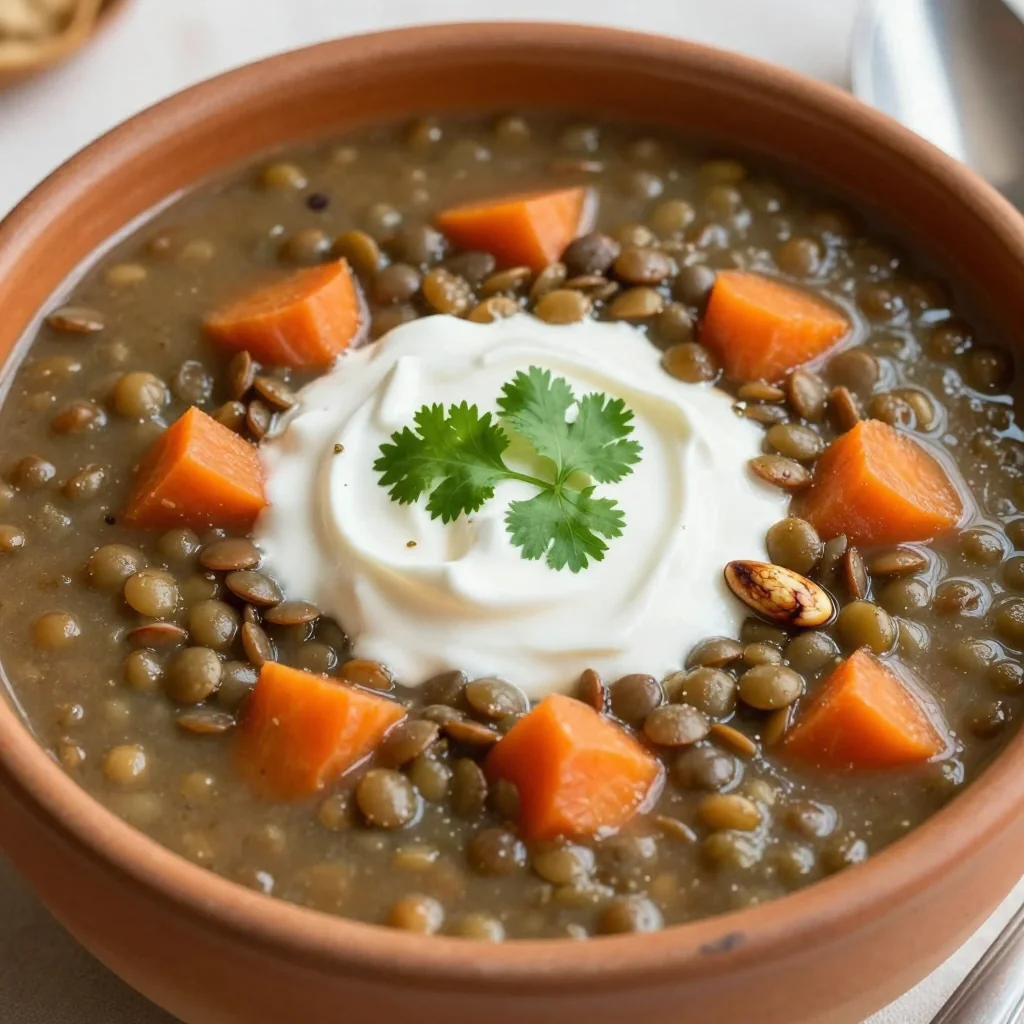
slow cooker high protein lentil and carrot soup for cold days
Learn how to make delicious slow cooker high protein lentil and carrot soup for cold days.…
 Dinner
Carrot Okonomiyaki Delight: A Flavorful Twist on a Japanese Classic
Delicious Carrot Okonomiyaki Delight: A Flavorful Twist on a Japanese Classic
 Dinner
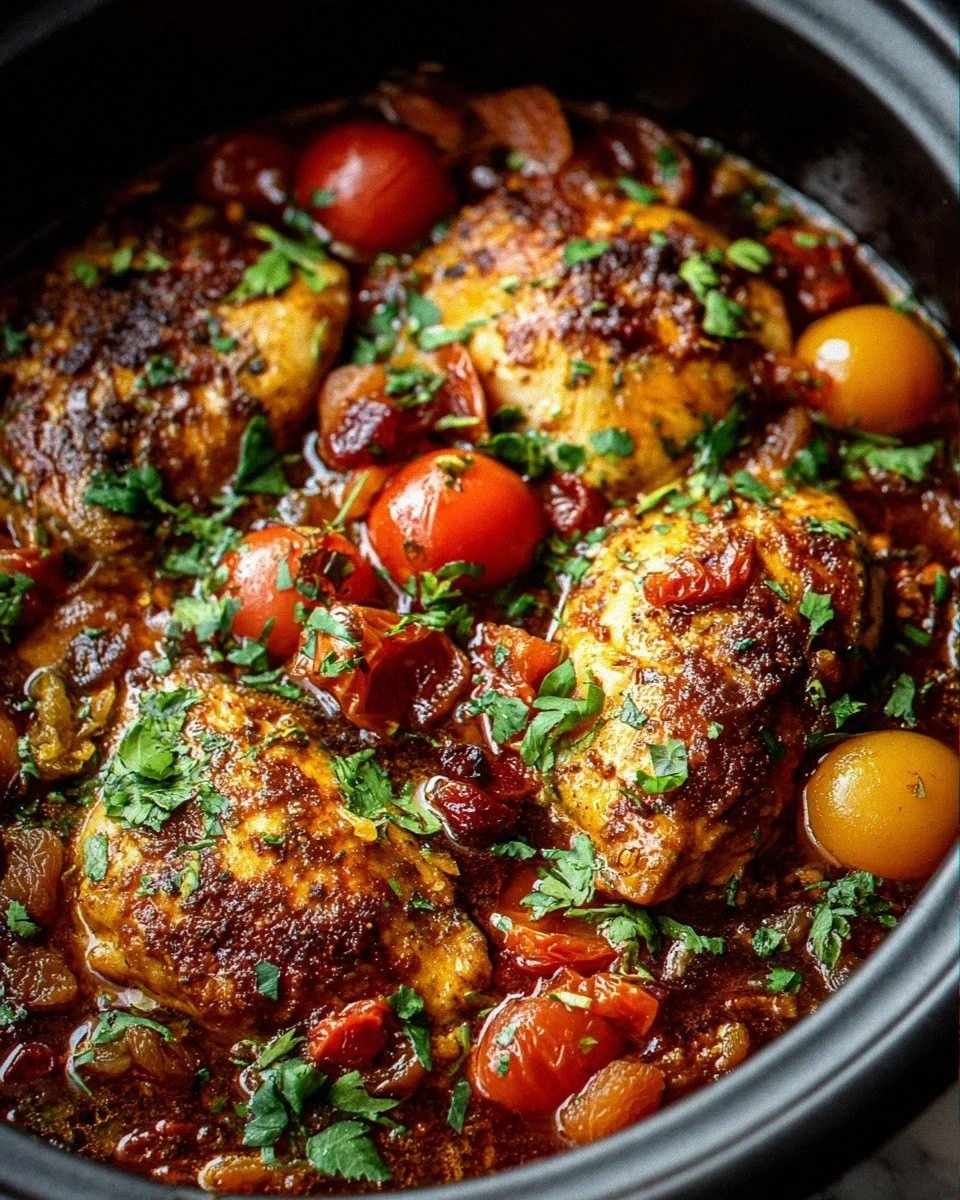
Crockpot Moroccan Chicken
Learn how to make delicious Crockpot Moroccan Chicken. Easy recipe with step-by-step instructions.
 Dinner
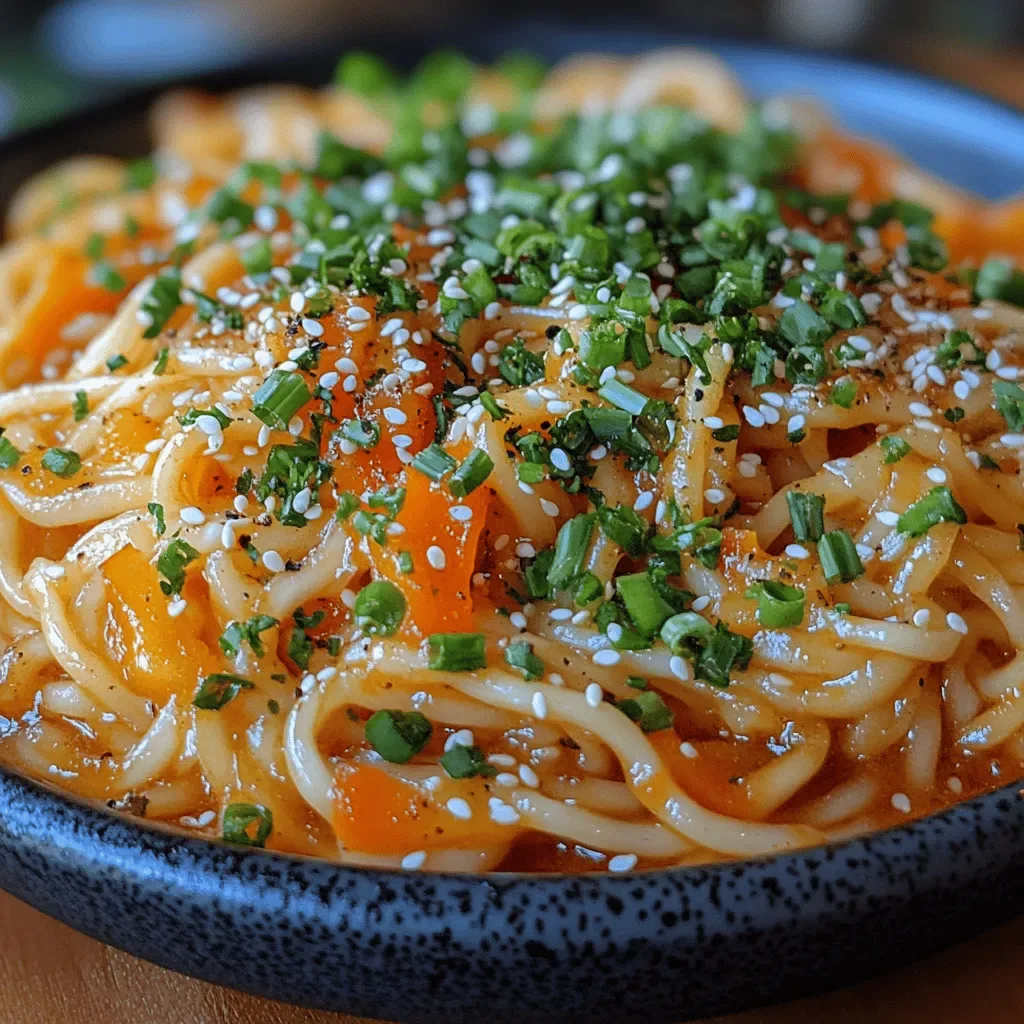
Spicy Szechuan Noodles: A Culinary Adventure into Bold Flavors
Delicious Spicy Szechuan Noodles: A Culinary Adventure into Bold Flavors
 Dinner
Zesty Chicken Fajita Wraps
Delicious Zesty Chicken Fajita Wraps

Eva
I cook these recipes at home before they ever land here — simple ingredients, clear steps.
Other Reader Favorites
 Desserts
Maple Bourbon Sweet Potato Casserole Recipe
Delicious Maple Bourbon Sweet Potato Casserole Recipe
 Dinner
Cheesy Beef and Rice Delight
Delicious Cheesy Beef and Rice Delight
 Appetizers
Crispy Oven Baked Chicken Bites Recipe
Delicious Crispy Oven Baked Chicken Bites Recipe
 Dinner
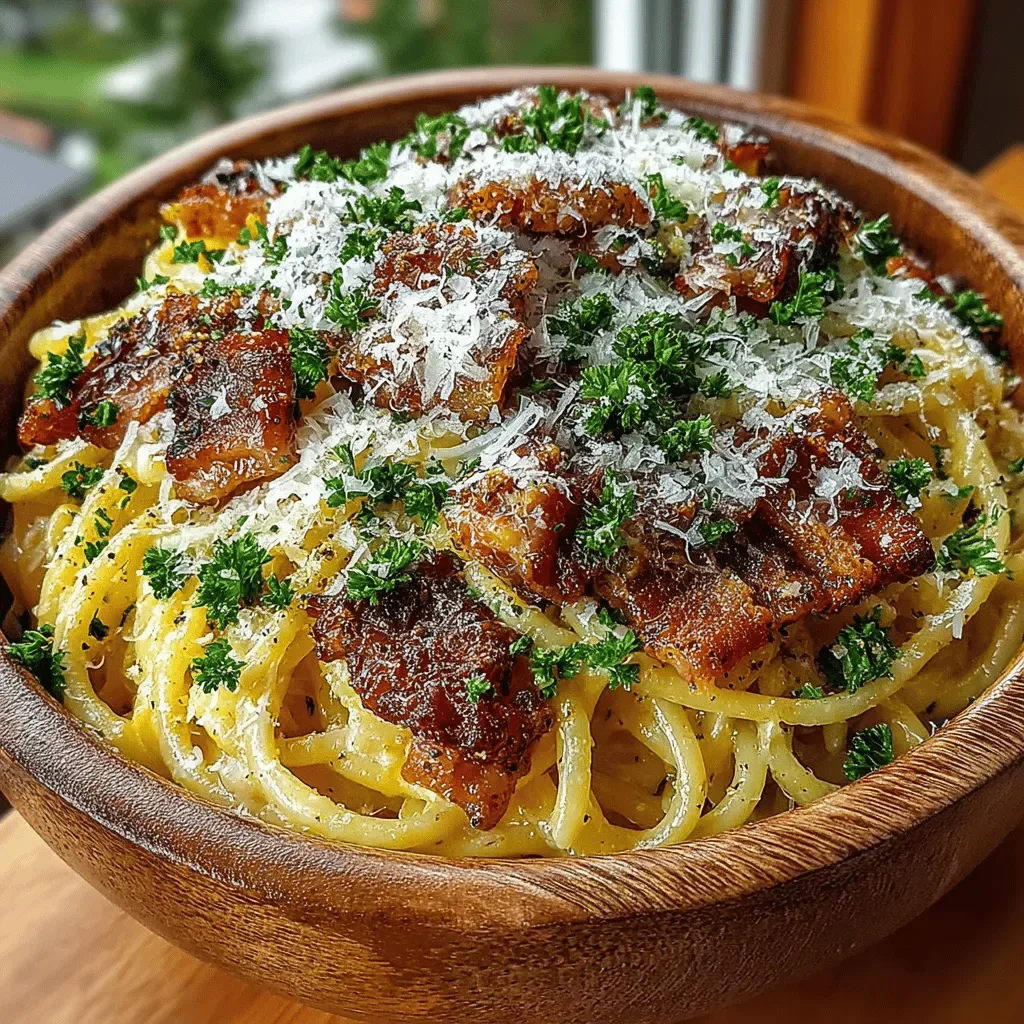
Spaghetti Carbonara with Crispy Bacon
Delicious Spaghetti Carbonara with Crispy Bacon