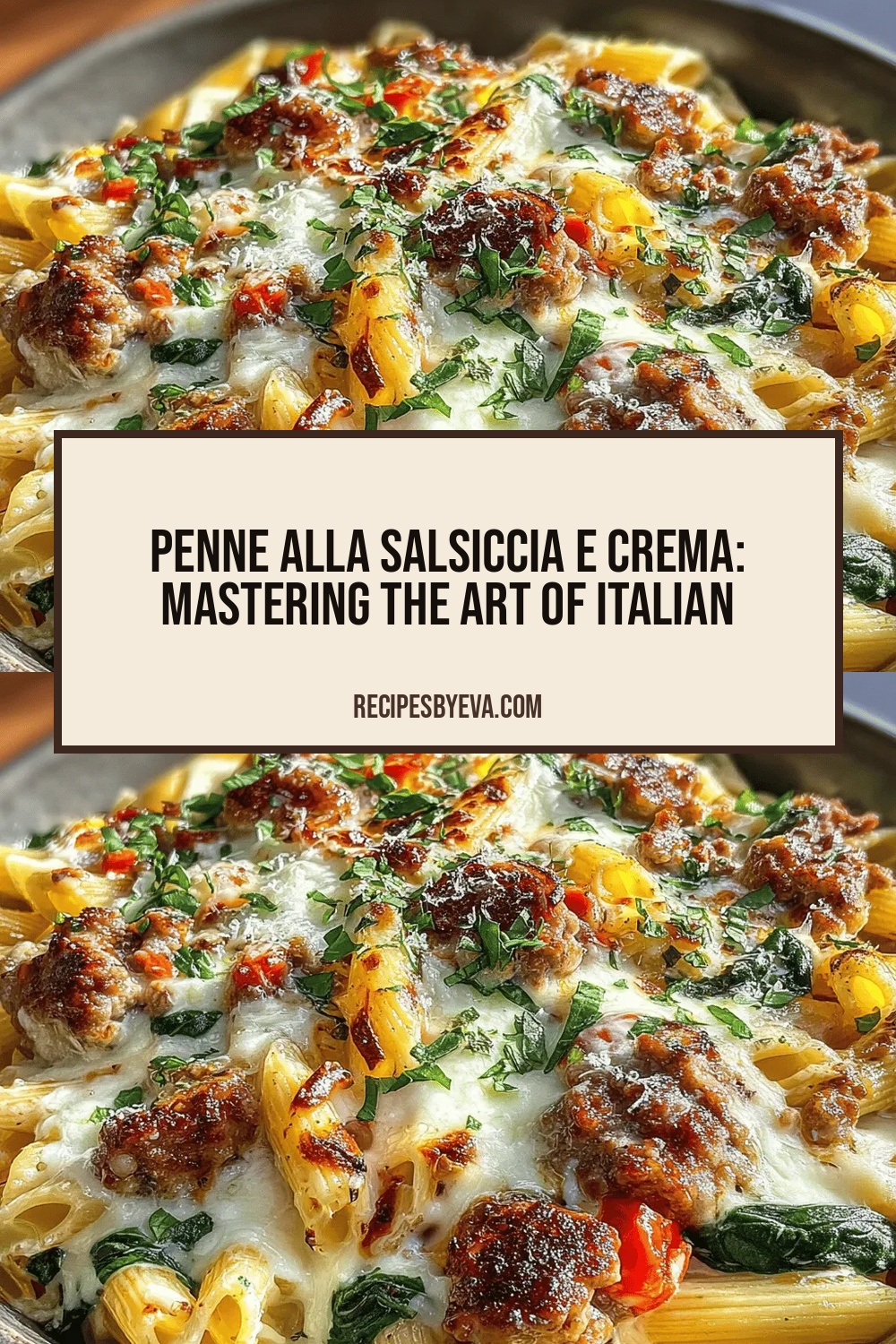
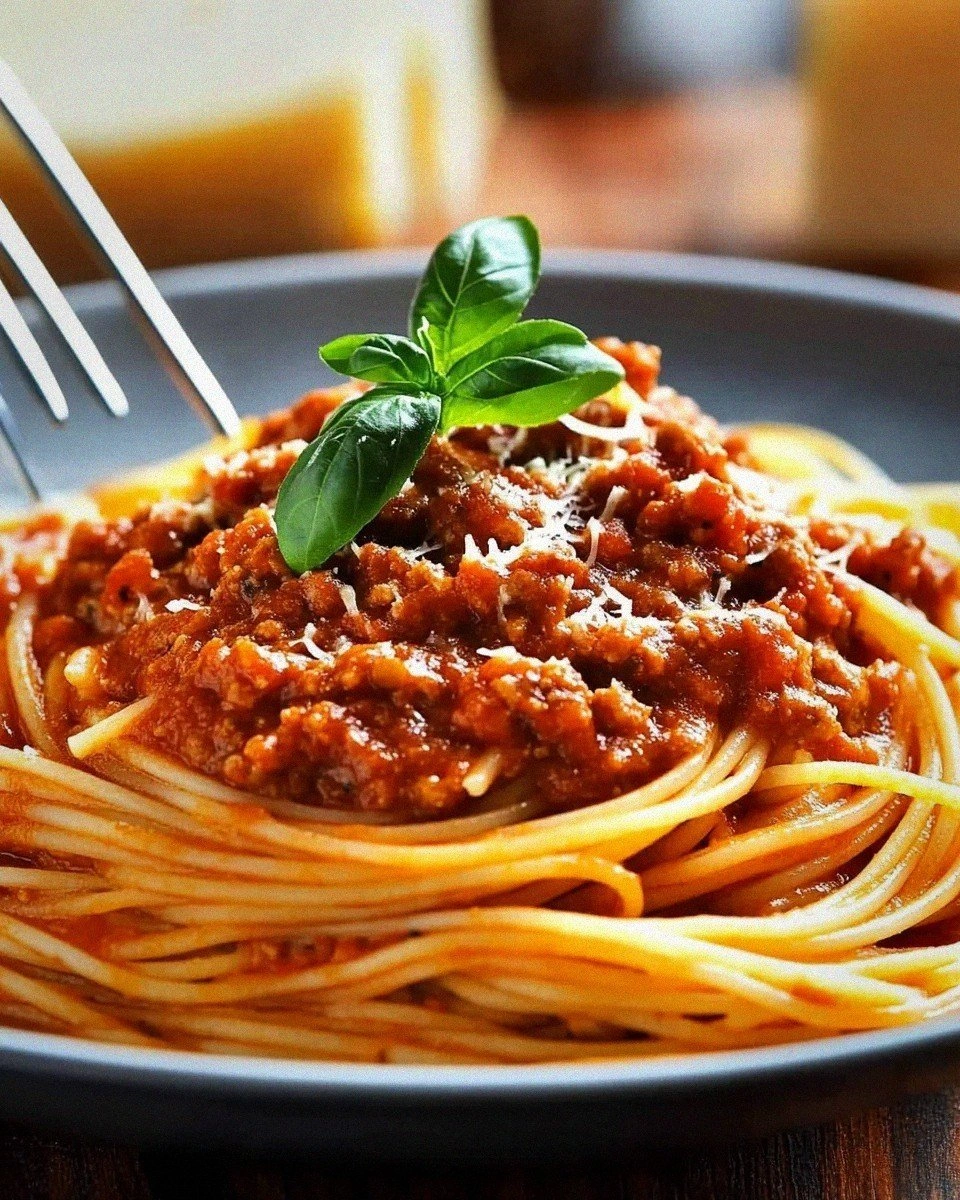
Spaghetti with Meat Sauce: A Classic, Hearty, and Flavorful Dish
 Save
Save
Fast forward to today, and I still start my own version of this dish with the same reverence I felt as a kid, but I’ve added a few tricks that I’ve learned over the years. The secret isn’t hidden in a fancy ingredient; it lives in the layering of flavors, the patience you give the sauce to develop, and the way you finish the pasta so every strand is coated like a glossy, ruby‑red ribbon. Have you ever wondered why a restaurant’s meat sauce can taste so deep and complex while a quick pantry version feels flat? The answer lies in the little details that most home cooks skip, and I’m about to spill them all.
Imagine the moment you twirl a forkful of perfectly al dente spaghetti, the sauce clinging to each strand, the aroma of browned beef mingling with fresh basil, and a sprinkle of Parmesan melting into a silky finish. That sensation is what drives this recipe forward, and I promise you’ll feel that same excitement the moment you taste the first bite. But wait—there’s a hidden ingredient that most people overlook, and it makes all the difference. I’ll reveal that little gem a little later, and trust me, you’ll want to add it every time you make this dish.
Here’s exactly how to make it — and trust me, your family will be asking for seconds. The steps are straightforward, the ingredients are pantry‑friendly, and the result is a bowl of comfort that feels both nostalgic and brand‑new. Ready to dive in? Let’s get cooking and discover why this spaghetti with meat sauce has become a beloved staple in kitchens across the country.
🌟 Why This Recipe Works
- Flavor Depth: By browning the ground beef first, you create a caramelized crust that adds a rich, umami backbone to the sauce, making every spoonful taste like a slow‑cooked masterpiece.
- Texture Harmony: The combination of a silky tomato base with the hearty bite of ground beef gives the dish a satisfying contrast that keeps each forkful interesting.
- Ease of Execution: All the steps use one pot and one pan, which means less cleanup and more time enjoying the meal with loved ones.
- Time Efficiency: While the sauce simmers, you can prepare the spaghetti, so the total cooking time stays under an hour—a perfect weeknight dinner.
- Versatility: Swap the ground beef for turkey, pork, or even a plant‑based crumble, and the sauce still shines, letting you adapt to dietary preferences without losing flavor.
- Nutrition Balance: The recipe provides a good mix of protein, carbs, and healthy fats, especially when you finish with a drizzle of olive oil and a sprinkle of fresh basil.
- Crowd‑Pleasing Factor: The familiar aroma and comforting taste make this dish a guaranteed hit for both kids and adults, turning any dinner into a celebration.
🥗 Ingredients Breakdown
The Foundation: Beef & Pasta
The 1 lb of ground beef is the heart of this sauce, delivering a juicy, meaty backbone that anchors the acidity of the tomatoes. Choose a blend with a little fat—around 15‑20%—because the fat renders down, enriching the sauce and preventing it from tasting dry. If you prefer a leaner option, you can use 90% lean beef, but add a tablespoon of olive oil to compensate for the lost moisture. The 12 oz of spaghetti noodles provide the perfect canvas; their slight bite (al dente) holds onto the sauce, ensuring each mouthful is coated in flavor. For a gluten‑free twist, substitute with brown rice pasta or lentil spaghetti, which will still capture the sauce’s richness.
Aromatics & Spices: Onion, Garlic, & Seasonings
A medium onion, finely diced, releases its natural sugars as it softens, creating a subtle sweetness that balances the acidity of the tomato sauce. I always sauté the onion in olive oil until it turns translucent and just begins to caramelize—this is where the magic starts. Two cloves of garlic, minced just before adding, add a pungent bite that sharpens the overall flavor profile; if you love garlic, feel free to add an extra clove for a bolder punch. The Italian seasoning, a blend of oregano, thyme, and rosemary, brings a herbaceous note that evokes the sun‑kissed fields of Italy. A pinch of red pepper flakes adds a gentle heat that wakes up the palate without overwhelming the sauce.
The Secret Weapons: Tomato Paste, Worcestershire, & Sugar
Tomato paste is a concentrated burst of umami; when you stir it into the sautéed aromatics, it deepens the sauce’s color and intensifies its savory backbone. Worcestershire sauce, with its complex blend of vinegar, anchovies, and spices, adds a subtle tang that lifts the entire dish, making the flavor feel more layered. A teaspoon of sugar might seem odd in a savory sauce, but it tames the natural acidity of the tomatoes and brings out their natural sweetness, resulting in a balanced taste. If you’re watching sugar intake, you can replace it with a splash of balsamic vinegar for a similar effect.
Finishing Touches: Cheese, Basil, & Olive Oil
A generous grating of Parmesan cheese adds a salty, nutty finish that melts into the sauce, creating a silky texture. Fresh basil, torn just before serving, injects a bright, peppery aroma that lifts the heaviness of the meat, making the dish feel lighter. A drizzle of high‑quality olive oil right before plating adds a glossy sheen and a fruit‑forward richness that ties all the components together. If you love a bit of tang, a squeeze of lemon juice at the end can brighten the flavors even further.
With your ingredients prepped and ready, let's get cooking. Here's where the fun really begins...
🍳 Step-by-Step Instructions
🔐 Expert Tips for Perfect Results
The Taste Test Trick
Before you finish cooking, take a spoonful of the sauce and let it cool for a few seconds. Taste it, then add a pinch of salt if needed—this is the moment you can truly gauge the seasoning. I always find that a tiny splash of acid, like a squeeze of lemon or a dash of balsamic, brightens the flavor profile, making the sauce sing.
Why Resting Time Matters More Than You Think
Once plated, let the spaghetti sit for about two minutes before serving. This short rest allows the sauce to seep into the pasta fibers, creating a more cohesive bite. I once rushed this step and the sauce slipped off the noodles, leaving a dry plate—never underestimate the power of a brief pause.
The Seasoning Secret Pros Won’t Tell You
Add a pinch of smoked paprika or a dash of nutmeg to the sauce while it simmers. These subtle spices add depth without overwhelming the classic Italian flavor. When I first tried this, my family thought I’d added a secret ingredient, and it became a conversation starter at every dinner.
Choosing the Right Pasta Shape
While spaghetti is traditional, other long‑shape pastas like linguine or fettuccine also work beautifully because their flat surfaces hold onto the sauce. If you opt for a ridged pasta like rigatoni, the grooves capture even more of the meat‑laden sauce, giving each bite a burst of flavor.
Finishing with Fresh Herbs
Never substitute dried basil for fresh at the end; the fresh leaves provide a bright, aromatic lift that dried herbs can’t match. I always keep a small bunch of basil on the windowsill, so it’s ready to tear into the pot at the very last second.
🌈 Delicious Variations to Try
One of my favorite things about this recipe is how versatile it is. Here are some twists I've tried and loved:
Spicy Arrabbiata Meat Sauce
Increase the red pepper flakes to a teaspoon and add a diced jalapeño when sautéing the onion. The heat cuts through the richness of the beef, creating a lively, tongue‑tingling experience that’s perfect for cold winter evenings.
Mushroom‑Infused Umami Boost
Stir in a cup of finely chopped cremini or shiitake mushrooms after the beef is browned. The mushrooms add an earthy depth and extra umami, making the sauce even more robust. This variation is a hit with mushroom lovers and adds a subtle forest flavor.
Mediterranean Twist with Olives & Capers
Add a quarter cup of sliced Kalamata olives and a tablespoon of capers during the simmering stage. The briny notes bring a Mediterranean flair that pairs beautifully with the fresh basil and Parmesan.
Creamy Tomato‑Basil Alfredo Fusion
Replace half of the tomato sauce with heavy cream and increase the fresh basil. The result is a luscious, pink‑tinged sauce that feels indulgent yet still carries the classic meatiness of the original.
Vegetarian Lentil “Meat” Sauce
Swap the ground beef for an equal amount of cooked brown or green lentils. Season them with the same Worcestershire (or a vegan alternative) and the rest of the spices. The lentils mimic the texture of ground meat while providing a plant‑based protein boost.
Cheesy Baked Spaghetti Casserole
After mixing the sauce and pasta, transfer everything to a baking dish, top with a generous layer of mozzarella and Parmesan, and bake at 375°F (190°C) for 20 minutes. The cheese melts into a golden crust, turning the dish into a comforting, cheesy bake perfect for potlucks.
📦 Storage & Reheating Tips
Refrigerator Storage
Cool the sauce to room temperature, then transfer it to an airtight container. It will keep for up to four days in the fridge. When storing the cooked spaghetti, toss it with a drizzle of olive oil to prevent sticking, and keep it in a separate container.
Freezing Instructions
Both the sauce and the cooked pasta freeze well. Portion the sauce into freezer‑safe bags, leaving a little headspace for expansion, and freeze for up to three months. For the spaghetti, spread it on a baking sheet, freeze solid, then transfer to a zip‑top bag. This method prevents the noodles from clumping together.
Reheating Methods
To reheat the sauce, place it in a saucepan over low heat, adding a splash of water or broth to restore its silky texture. For the pasta, drop it into boiling water for 30 seconds, or microwave it with a drizzle of olive oil, stirring halfway through. The trick to reheating without drying it out? A splash of broth or a knob of butter revives the sauce’s richness and keeps the noodles tender.
❓ Frequently Asked Questions
Can I use ground turkey instead of beef?
Why does my sauce taste watery?
Do I need to add sugar?
Can I make this recipe gluten‑free?
How long can I keep leftovers?
Should I add the Parmesan cheese into the sauce?
Can I add vegetables like carrots or bell peppers?
What’s the best way to reheat leftovers without losing flavor?
Drain the spaghetti, but don’t rinse—those little starch grains are your allies. Return the pasta to the pot, pour over the rich meat sauce, and gently toss to coat every strand. If the sauce seems too thick, drizzle in a splash of the reserved pasta water until you achieve a silky, saucy coating that clings beautifully.
Remove the pot from heat and stir in a handful of freshly torn basil leaves and a drizzle of extra‑virgin olive oil. The basil’s bright, peppery notes lift the heartiness of the meat, while the olive oil adds a luxurious mouthfeel. Let the dish rest for two minutes; this short pause allows the flavors to marry and the heat to settle, ensuring each bite is perfectly balanced.
Serve the spaghetti hot, topping each plate with a generous snowfall of grated Parmesan cheese. The cheese will melt into the warm sauce, creating a creamy, salty veil that makes the dish feel indulgent yet comforting. Add an extra pinch of red pepper flakes if you enjoy a little kick, and finish with a final drizzle of olive oil for shine.
And there you have it! But before you dig in, let me share some tips that will take this from great to absolutely unforgettable…