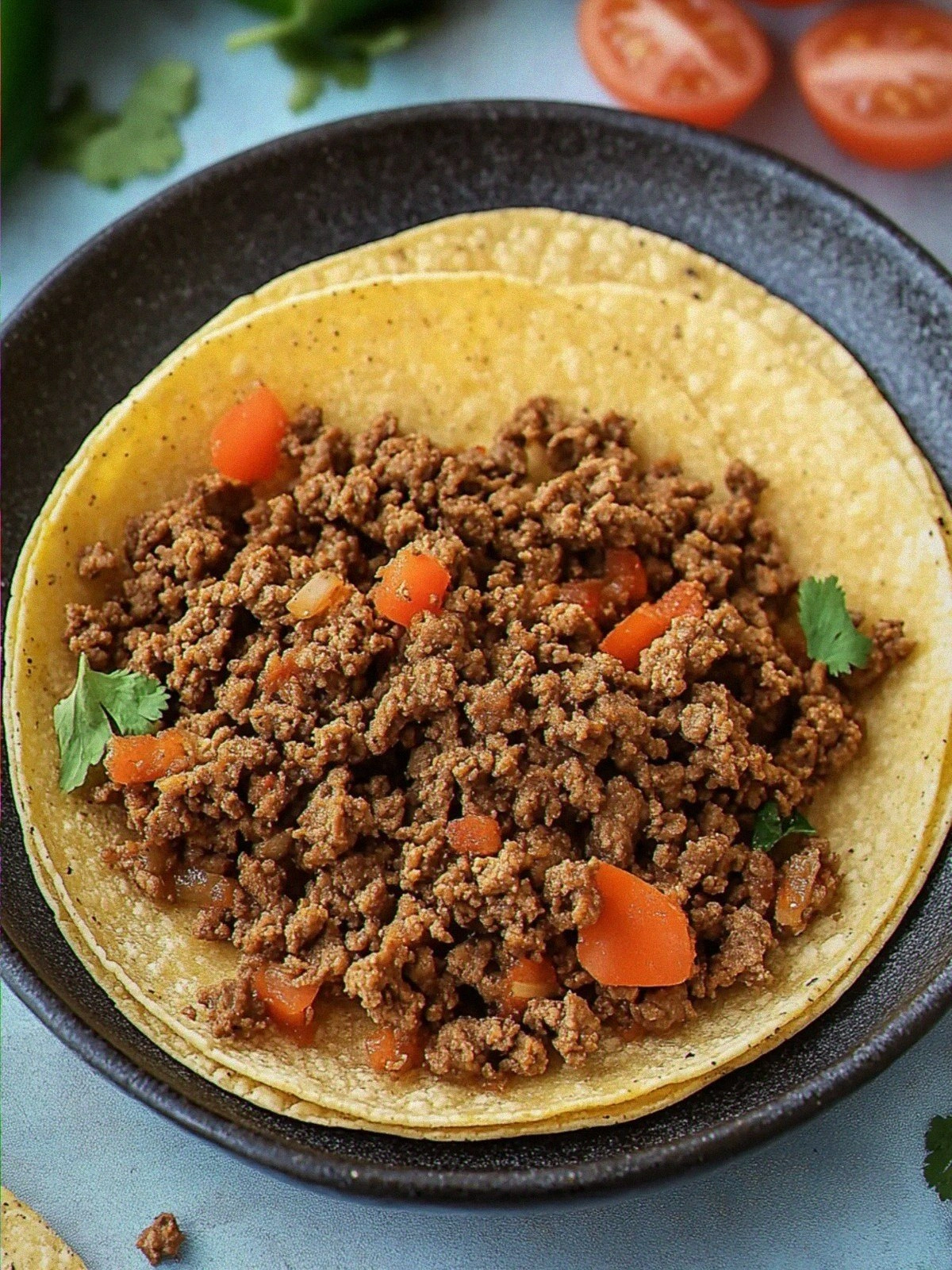
Elevate Taco Night with Homemade Taco Meat Seasoning
 Save
Save
It was a crisp Saturday evening in early October, the kind where the scent of fallen leaves mingles with the faint aroma of simmering something wonderful in the kitchen. I was standing over a well‑worn cast‑iron skillet, the metal warm from the stovetop, and as I lifted the lid, a cloud of fragrant steam rose like a promise, carrying whispers of cumin, garlic, and a faint smoky kiss. My teenage son, who usually declares “taco night is boring,” suddenly leaned in, eyes widening as the scent wrapped around him. That moment—when a simple spice blend turned a routine dinner into a memory—became the spark for this recipe.
You might think taco seasoning is just a handful of dried herbs tossed into ground beef, but there’s an alchemy at play. The right balance of earthy cumin, bright garlic powder, and a dash of smoked paprika creates layers that unfold with every bite, much like a story that reveals new chapters as you turn the page. The broth I add at the end does more than keep the meat juicy; it carries the spices into a silky sauce that clings to each morsel, ensuring every taco is a burst of flavor, not just a bland filler. Imagine the sizzle as the meat hits the pan, the aroma rising, and the anticipation building—this is where the magic begins.
But wait—there’s a secret trick hidden in step four that will make your taco meat sing like a mariachi band on a fiesta stage. Have you ever wondered why restaurant tacos taste so different, even though the ingredients look identical? The answer lies in a few subtle techniques that most home cooks overlook. I’ll reveal that technique later, and trust me, once you master it, your friends will keep asking, “What’s your secret?”
Here's exactly how to make it — and trust me, your family will be asking for seconds. From the moment you gather the spices to the final garnish, every step is designed to maximize flavor, texture, and that comforting feeling of a home‑cooked meal. Ready to transform your taco night? Let’s dive in and discover why this homemade taco meat seasoning will become your go‑to for years to come.
🌟 Why This Recipe Works
- Flavor Depth: The combination of cumin, garlic powder, and smoked paprika creates a layered taste profile that evolves on the palate, moving from earthy to bright to subtly smoky.
- Texture Harmony: Adding chicken broth at the end keeps the meat tender and moist, preventing the dreaded dry, crumbly taco filling that can ruin the experience.
- Ease of Preparation: With just a handful of pantry staples, you can whip up this seasoning in minutes, making it perfect for busy weekdays or spontaneous gatherings.
- Time Efficiency: The entire process, from spice mixing to cooking, takes under 45 minutes, meaning you’ll have dinner on the table before the kids finish their homework.
- Versatility: This seasoning isn’t limited to beef; it works beautifully with turkey, chicken, or even plant‑based crumbles, allowing you to adapt to dietary preferences.
- Nutrition Boost: Using lean ground beef and a modest amount of broth adds protein without excessive fat, while the spices contribute antioxidants and anti‑inflammatory compounds.
- Ingredient Quality: Each spice is chosen for its freshness and potency, ensuring you get the most aroma and flavor without needing a ton of salt.
- Crowd‑Pleasing Factor: The balanced heat level satisfies both spice‑lovers and those who prefer milder flavors, making it a safe bet for any crowd.
🥗 Ingredients Breakdown
The Foundation: Ground Beef & Broth
The star of this dish is a pound of ground beef, preferably 80/20 for the perfect balance of flavor and juiciness. The fat content renders into the meat as it cooks, creating a luscious mouthfeel that carries the spices. If you’re aiming for a leaner version, you can swap in 90/10 beef, but be prepared to add a splash more broth to keep it from drying out. Speaking of broth, a cup of low‑sodium chicken broth adds moisture and acts as a carrier for the spices, allowing them to infuse evenly throughout the meat. I always reach for the broth that’s been simmered with a bay leaf and a few peppercorns—this subtle background note elevates the overall taste.
Aromatics & Spices: The Flavor Arsenal
Cumin is the backbone, offering an earthy, slightly citrusy note that’s instantly recognizable in Mexican cuisine. Garlic powder brings a savory depth without the risk of burning that fresh garlic sometimes presents. Chili powder adds a mild heat and a hint of sweetness, while oregano contributes a herbal brightness that cuts through the richness of the meat. Smoked paprika is the secret weapon—it provides a gentle smoky undertone that mimics the flavor of a grill without needing an outdoor fire. Finally, a pinch of salt amplifies all the flavors, but remember, the broth already contains some sodium, so taste before you add more.
The Secret Weapons: Smoked Paprika & Oregano
Smoked paprika is often overlooked, yet it’s the difference between a flat seasoning and one that sings. Its deep, wood‑smoked essence pairs perfectly with the beef, creating a flavor that feels both rustic and refined. Oregano, on the other hand, adds a slightly bitter, piney note that balances the sweetness of the chili powder. Together, they create a symphony of flavors that dance on the tongue. If you can’t find smoked paprika, a dash of chipotle powder can substitute, though it adds a bit more heat.
Finishing Touches: Salt & Adjustments
Salt is the unsung hero that pulls everything together. It enhances the natural umami of the beef and ensures the broth doesn’t taste bland. I always recommend seasoning in layers—first a pinch while browning the meat, then a final taste after the broth has reduced. This method guarantees balanced seasoning throughout. And if you love a little extra kick, a pinch of cayenne or a splash of hot sauce can be added at the very end, just before serving.
With your ingredients prepped and ready, let's get cooking. Here's where the fun really begins...
🍳 Step-by-Step Instructions
🔐 Expert Tips for Perfect Results
The Taste Test Trick
Before you add the final pinch of salt, take a small spoonful of the meat mixture and let it cool for a few seconds. The flavors will open up as the temperature drops, giving you a more accurate sense of the seasoning balance. I once served a batch that was a tad too salty because I didn’t let it rest, and the feedback was immediate—always taste before you finish.
Why Resting Time Matters More Than You Think
Allowing the cooked meat to rest for 2‑3 minutes off the heat lets the juices redistribute, preventing them from spilling out when you bite. This small pause makes each taco juicier and more flavorful. I used to skip this step when I was in a rush, and the result was a dry bite that left everyone reaching for the salsa.
The Seasoning Secret Pros Won’t Tell You
Professional chefs often “bloom” their spices in a tiny amount of oil before adding the meat. This technique awakens the essential oils, intensifying the aroma. In my kitchen, I heat the oil, toss in the spice blend for just 15 seconds, then immediately add the beef. The result is a depth of flavor that feels restaurant‑grade.
Choosing the Right Beef
When selecting ground beef, look for a bright red color and a fine texture. Avoid meat that looks gray or has a strong metallic smell—it’s a sign of age. I always ask the butcher for a fresh batch, and the difference in taste is unmistakable. The right fat content also ensures the meat stays moist during cooking.
Balancing Heat Without Overpowering
If you love heat, add a pinch of cayenne or a few dashes of hot sauce at the end, but do it sparingly. The goal is to add a gentle kick that complements rather than dominates the spice blend. I’ve found that a tiny amount of chipotle in adobo sauce can provide smoky heat that pairs beautifully with the smoked paprika.
The Final Garnish Game‑Changer
Fresh herbs like cilantro or a sprinkle of crumbled queso fresco add brightness and texture that elevate the taco from good to unforgettable. A drizzle of avocado crema or a spoonful of pico de gallo adds moisture and acidity, rounding out the flavor profile. Trust me on this one: the right garnish is the finishing brushstroke on a culinary masterpiece.
🌈 Delicious Variations to Try
One of my favorite things about this recipe is how versatile it is. Here are some twists I've tried and loved:
Southwest Chicken Crumble
Swap the ground beef for ground chicken and add a teaspoon of chipotle powder for a smoky heat. The lean chicken absorbs the broth beautifully, resulting in a lighter yet equally flavorful filling. Pair it with avocado slices for a fresh contrast.
Veggie‑Loaded Bean Mix
Replace the meat entirely with a mixture of black beans and roasted corn, then stir in the same spice blend. The beans give a hearty texture, while the corn adds a sweet pop. Top with shredded cheese and a dollop of sour cream for a comforting vegetarian taco.
Spicy Pork Al Pastor
Use ground pork and incorporate pineapple juice into the broth for a sweet‑tangy twist. Add a pinch of ground cloves and cinnamon to echo traditional al pastor flavors. The result is a tropical, slightly sweet taco that transports you straight to a street market in Mexico City.
Cheesy Taco Bake
Layer the seasoned meat with crushed tortilla chips, shredded cheddar, and a drizzle of salsa in a baking dish. Bake until the cheese bubbles and the top turns golden. This casserole version is perfect for feeding a crowd on game night.
Breakfast Taco Remix
Mix the cooked taco meat with scrambled eggs and top with fresh salsa and a sprinkle of cotija cheese. The savory meat pairs wonderfully with the fluffy eggs, creating a brunch‑worthy taco that starts the day with bold flavor.
📦 Storage & Reheating Tips
Refrigerator Storage
Transfer any leftover taco meat to an airtight container and store it in the fridge for up to three days. The broth helps keep the meat moist, so you won’t notice a texture change when reheating. For best results, reheat only the portion you plan to use, keeping the rest chilled.
Freezing Instructions
If you want to make a large batch, freeze the cooled meat in freezer‑safe bags or containers. Portion it out into 1‑cup servings, label with the date, and store for up to three months. When you’re ready to use it, thaw overnight in the fridge, then reheat gently on the stovetop with a splash of broth to revive the sauce.
Reheating Methods
The trick to reheating without drying it out? A splash of chicken broth or even a little water in a skillet over low heat. Cover the pan and stir occasionally until the meat is heated through and the sauce regains its glossy sheen. Microwaving works in a pinch, but be sure to cover the dish and stir halfway through to avoid uneven heating.
❓ Frequently Asked Questions
Can I use turkey instead of beef?
Is it okay to omit the chicken broth?
How spicy is this recipe?
Can I make this seasoning ahead of time?
What’s the best way to reheat leftovers?
Can I freeze the spice blend?
Is this recipe gluten‑free?
How can I make this recipe more kid‑friendly?
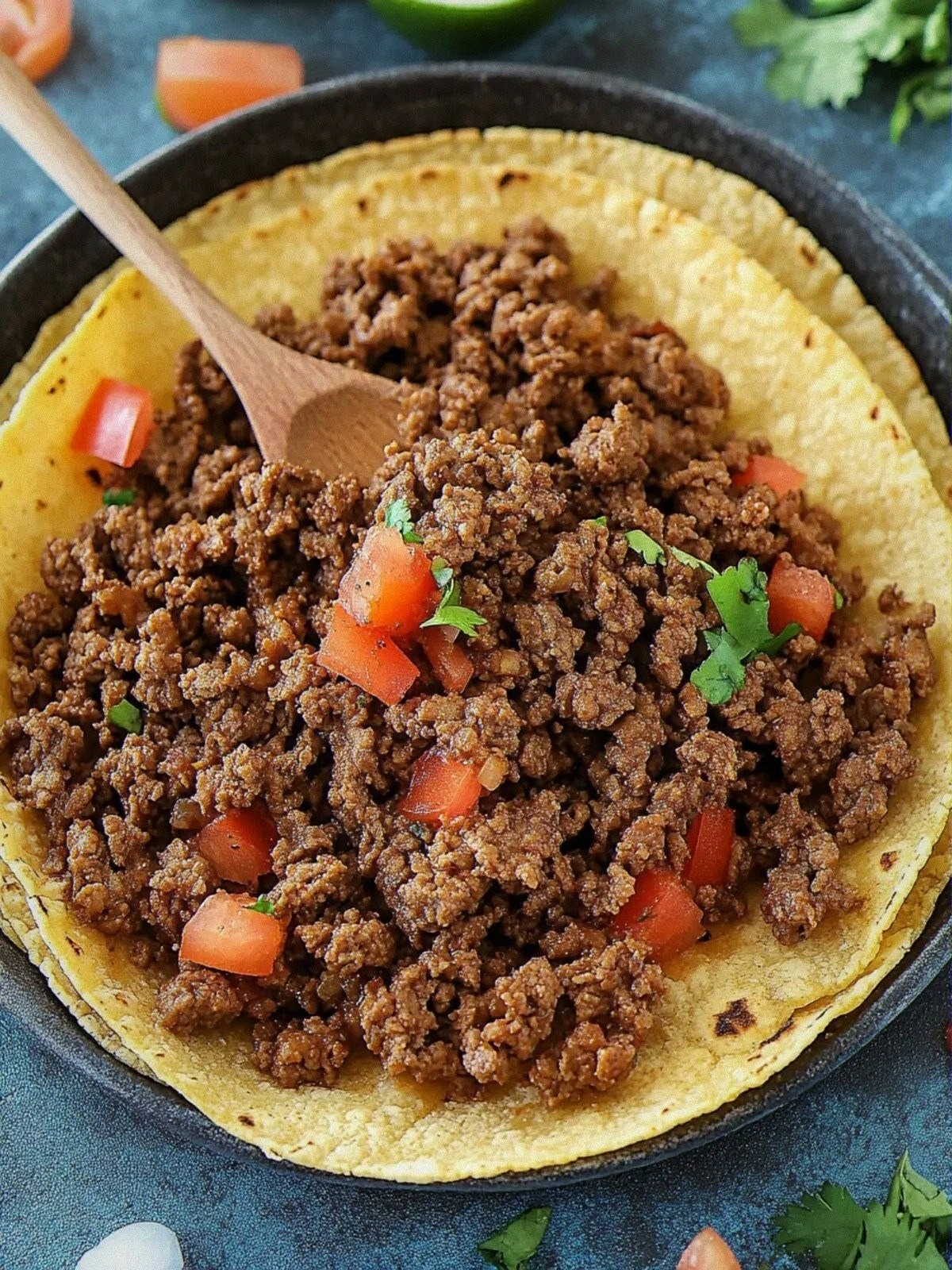
Assemble your tacos: spoon a generous mound of the seasoned meat onto each shell, then add your favorite toppings—shredded lettuce, diced tomatoes, fresh cilantro, a squeeze of lime, and a drizzle of crema or cheese. The contrast of textures—from the juicy meat to the crisp lettuce—creates a delightful mouthfeel that keeps you reaching for the next bite.
Serve immediately, and watch your family dive in with gusto. The first bite should deliver a burst of savory, smoky, and slightly spicy goodness, followed by the fresh crunch of toppings. Go ahead, take a taste — you’ll know exactly when it’s right. And remember, the best part of taco night is the communal joy of sharing, so keep the conversation flowing as you enjoy each delicious bite.
Similar Recipes
 Dinner
Creamy Chicken and Spinach Pasta Skillet Recipe
Delicious Creamy Chicken and Spinach Pasta Skillet Recipe
 Dinner
Easy Gochujang Broccoli
Learn how to make delicious Easy Gochujang Broccoli. Easy recipe with step-by-step instructions.
 Dinner
Sweet & Spicy Candied Bacon Recipe
Delicious Sweet & Spicy Candied Bacon Recipe
 Dinner
Layered Delight: Easy Mexican Lasagna
Delicious Layered Delight: Easy Mexican Lasagna
 Dinner
cozy slow cooker lentil and root vegetable soup with cabbage
Learn how to make delicious cozy slow cooker lentil and root vegetable soup with cabbage. Easy…
 Dinner
savory batch cooking onepot lentil and root vegetable soup for families
Learn how to make delicious savory batch cooking onepot lentil and root vegetable soup for families.…
 Dinner
Creamy Garlic Shrimp Pasta Recipe
Delicious Creamy Garlic Shrimp Pasta Recipe
 Dinner
Sweet & Sticky Honey Chicken Recipe
Delicious Sweet & Sticky Honey Chicken Recipe

Eva
I cook these recipes at home before they ever land here — simple ingredients, clear steps.