Mouthwatering Cranberry Balsamic Roast Beef for a Cozy Feast
 Save
Save
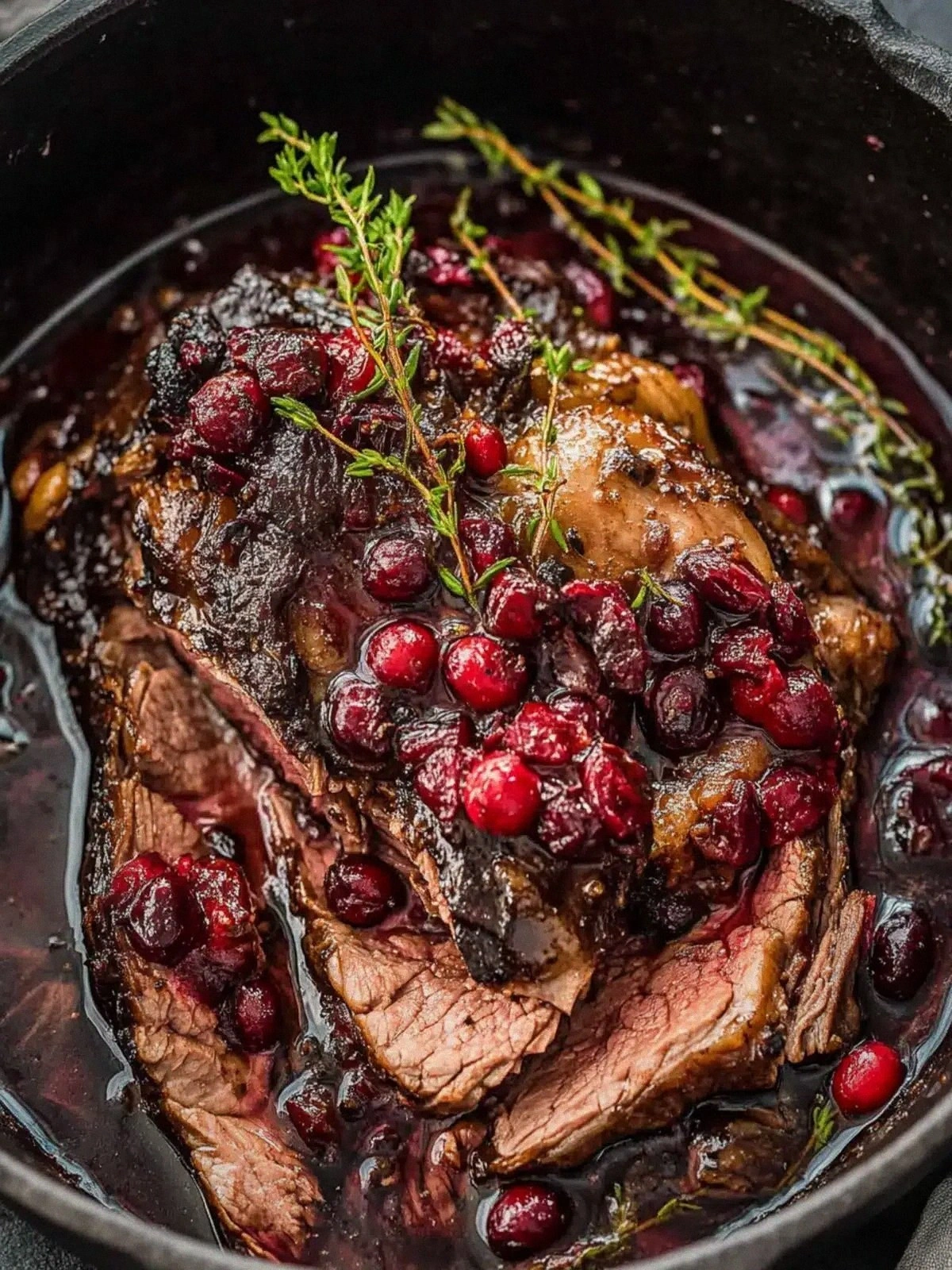
It was a chilly Saturday evening in late November, the kind of night where the wind whistles through the trees and the kitchen becomes the warmest place in the house. I remember pulling a hefty ribeye roast from the freezer, feeling the cool weight of it against my hands, and instantly picturing the golden crust that would soon appear as the meat sizzled in the pan. The moment you lift the lid, a cloud of fragrant steam hits you—sweet notes of balsamic mingling with the tart pop of cranberries, and a whisper of rosemary that makes the whole house feel like a cozy cabin tucked away in the woods. I can still hear the faint crackle as the sear forms, the sound that tells you the Maillard reaction is doing its magic, and the aroma that instantly makes my stomach growl with anticipation.
What makes this dish truly special is the marriage of two seemingly opposite flavors: the deep, beefy richness of a ribeye roast and the bright, slightly acidic zing of cranberry‑balsamic glaze. The glaze isn’t just a topping; it’s a transformative sauce that seeps into the meat, creating layers of flavor that evolve with each bite. Imagine the first forkful—tender, juicy beef that melts on the tongue, followed by a burst of sweet‑tart cranberry that brightens the palate and leaves a lingering, savory finish. It’s the kind of dish that turns a simple dinner into a celebration, and it’s perfect for those moments when you want to gather family around the table and share something unforgettable.
But wait—there’s a secret trick in step four that will take your glaze from good to legendary, and you won’t want to miss it. Have you ever wondered why restaurant versions of roast beef taste so different from the home‑cooked ones? The answer lies in a few small details that most home cooks overlook, like the timing of the glaze addition and the precise temperature of the oven. I’ll reveal those insider secrets later, so keep reading. The best part? The recipe uses ingredients you probably already have on hand, yet the result feels like it belongs on a five‑star menu.
Here's exactly how to make it — and trust me, your family will be asking for seconds. From selecting the perfect cut of meat to mastering the glossy cranberry‑balsamic glaze, I’ll walk you through every step with the kind of detail that makes you feel like you have a seasoned chef right beside you. Ready to turn your kitchen into a haven of flavor? Let’s dive in and start the journey to a mouthwatering, cozy feast that will become a new family favorite.
🌟 Why This Recipe Works
- Flavor Depth: The combination of balsamic vinegar and cranberry sauce creates a sweet‑tart glaze that penetrates the beef, delivering layers of complexity that keep your taste buds intrigued from the first bite to the last.
- Texture Contrast: A quick sear locks in juices, giving the roast a caramelized crust, while the slow roasting in the oven ensures the interior stays buttery‑soft and tender.
- Ease of Execution: Despite its gourmet appearance, the recipe relies on straightforward techniques—searing, deglazing, and roasting—making it accessible even for cooks who are still building confidence.
- Time Efficiency: With a prep time of just 20 minutes and a hands‑off cooking window, you can spend more time with loved ones and less time hovering over the stove.
- Versatility: The glaze can be adapted to other proteins like pork or turkey, and the side dishes can be swapped to match the season, giving you endless possibilities for future meals.
- Nutrition Balance: Lean protein from the ribeye roast pairs with antioxidant‑rich cranberries, delivering a meal that’s satisfying without being overly heavy.
- Crowd‑Pleasing Factor: The vivid color of the glaze and the aromatic perfume that fills the kitchen make this dish a visual and sensory centerpiece that draws compliments from every guest.
🥗 Ingredients Breakdown
The Foundation: Beef & Basics
A 3 to 5‑pound ribeye roast serves as the canvas for this masterpiece. The ribeye’s marbling ensures that the meat stays juicy and flavorful throughout the roasting process. When choosing your roast, look for a deep, rich red color and a generous amount of white flecks of fat—these are the indicators of quality. If a ribeye is unavailable, a well‑marbled beef chuck roast can substitute, though the flavor profile will shift slightly toward a heartier, more rustic note.
Aromatics & Spices: Building the Flavor Base
Garlic, minced to a fine paste, provides a pungent backbone that complements the sweet glaze. Fresh thyme sprigs add an earthy, piney aroma that pairs beautifully with both beef and cranberries. The red pepper flakes introduce a gentle heat that lifts the dish without overpowering the delicate balance of sweet and sour. Remember, the key is to toast the garlic lightly—this unlocks its natural sweetness and prevents any bitter edge.
The Secret Weapons: Balsamic & Cranberry Fusion
Balsamic vinegar brings acidity and a subtle sweetness, while the cranberry sauce contributes bright tartness and a hint of fruitiness. Brown sugar deepens the glaze, giving it a glossy sheen and a caramelized finish. Olive oil and vegetable oil are used together to achieve a high smoke point for searing, ensuring a perfect crust without burning. Finally, beef broth adds richness and helps the glaze cling to the roast during the final roasting stage.
Finishing Touches: The Final Flourish
Fresh cranberries, tossed in at the end, burst with juiciness and add a pop of ruby color that makes the dish as visually striking as it is tasty. A drizzle of the reduced glaze just before serving gives the roast a lacquered appearance that invites diners to dive right in. If you’re feeling adventurous, a sprinkle of toasted almond slivers can add a pleasant crunch and an extra layer of nutty flavor.
With your ingredients prepped and ready, let's get cooking. Here's where the fun really begins...
🍳 Step-by-Step Instructions
🔐 Expert Tips for Perfect Results
The Taste Test Trick
Before you commit the roast to the oven, take a small spoonful of the glaze and taste it. You’ll notice whether it needs a pinch more salt, a dash of extra brown sugar, or perhaps a splash more balsamic to balance the acidity. Adjusting at this stage prevents a bland final product and ensures the glaze sings in perfect harmony with the beef. Trust me on this one—small tweaks early on make a huge difference at the end.
Why Resting Time Matters More Than You Think
Resting isn’t just a polite pause; it’s a science. When the roast rests, the muscle fibers relax and reabsorb the juices that were driven to the center during cooking. Skipping this step results in a dry, less flavorful slice. I once served a roast straight from the oven, and the guests all commented on the “dry” texture—lesson learned, and now I always give it at least 15 minutes under foil.
The Seasoning Secret Pros Won’t Tell You
Professional chefs often season their meat in two stages: a dry rub before searing and a finishing salt just before serving. The first layer creates a crust, while the second brightens the flavors right before the plate arrives. This dual‑seasoning method adds depth without overwhelming the palate, and it’s a trick that elevates even a simple roast to restaurant quality.
Managing the Glaze Consistency
If your glaze thickens too much while the roast is in the oven, simply whisk in a splash of beef broth or water to loosen it. Conversely, if it’s too thin, finish it on the stovetop for an extra minute, allowing it to reduce further. The key is to keep an eye on its texture; a perfect glaze should coat the back of a spoon and flow slowly, not pool or run off.
Choosing the Right Pan
A heavy‑bottomed cast‑iron skillet distributes heat evenly, ensuring a uniform sear and preventing hot spots that could burn the glaze. If you don’t have cast iron, a stainless steel sauté pan works well, but avoid non‑stick surfaces—they can’t handle the high heat needed for a proper crust. The result is a roast that looks as good as it tastes.
The Final Garnish: Texture Meets Flavor
A quick toast of slivered almonds or crushed pistachios adds a delightful crunch that contrasts the melt‑in‑your‑mouth beef. Sprinkle them over the finished dish just before serving, and you’ll hear a satisfying crackle that signals the final layer of complexity. I’ve tried both, and the almond version adds a subtle sweet nuttiness that pairs wonderfully with the cranberry glaze.
🌈 Delicious Variations to Try
One of my favorite things about this recipe is how versatile it is. Here are some twists I've tried and loved:
Maple‑Mustard Glaze
Swap half of the cranberry sauce for pure maple syrup and add a tablespoon of Dijon mustard. The result is a sweet‑spicy glaze with a mellow earthiness that pairs beautifully with the beef. Expect a richer amber color and a slightly tangier finish.
Herb‑Infused Roast
Add rosemary, sage, and a few bay leaves to the pan while the roast is in the oven. These herbs infuse the meat with a fragrant, woodsy note that complements the cranberry’s brightness. The aroma will fill your kitchen, making the anticipation even more exciting.
Spicy Chipotle Twist
Incorporate a teaspoon of chipotle in adobo sauce into the glaze for a smoky, smoky heat. The smokiness adds depth, while the chipotle’s subtle heat balances the sweet cranberry. This variation is perfect for those who love a little kick.
Citrus‑Boosted Balsamic
Add the zest of an orange and a splash of fresh orange juice to the balsamic reduction. The citrus brightens the glaze, giving it a fresh, summer‑like vibe that works especially well with lighter side dishes.
Asian‑Inspired Soy‑Ginger Glaze
Replace the balsamic vinegar with a mixture of soy sauce, rice vinegar, and grated ginger. This creates a savory‑sweet glaze with an umami punch, and you can finish the dish with toasted sesame seeds for a nutty crunch.
Vegetarian “Beef” Substitute
Use a large cauliflower head or a plant‑based meat roast, applying the same glaze and cooking method. The cranberry‑balsamic sauce adheres beautifully, and the result is a hearty, satisfying main that even meat‑eaters appreciate.
📦 Storage & Reheating Tips
Refrigerator Storage
Allow the roast to cool to room temperature before slicing, then store the slices in an airtight container with a drizzle of leftover glaze. It will keep for up to 4 days, and the flavors actually deepen as they mingle. For best texture, place a paper towel on top of the meat to absorb excess moisture.
Freezing Instructions
Wrap the cooled, sliced roast tightly in plastic wrap, then place it in a freezer‑grade zip‑top bag. It can be frozen for up to 3 months without significant loss of flavor. When you’re ready to enjoy it again, thaw overnight in the refrigerator and reheat gently to preserve juiciness.
Reheating Methods
The trick to reheating without drying it out? A splash of beef broth or water in a covered skillet over low heat, then gently warm until the interior is just heated through. Alternatively, you can reheat slices in a preheated oven at 300°F (150°C) for about 10 minutes, basting with extra glaze halfway through. This keeps the meat tender and the glaze glossy.
❓ Frequently Asked Questions
Can I use a different cut of beef?
What if I don’t have fresh cranberries?
How do I know when the roast is perfectly done?
Can I make the glaze ahead of time?
Is it okay to use balsamic glaze instead of balsamic vinegar?
What sides pair best with this roast?
Can I use a slow cooker instead of the oven?
Is this recipe gluten‑free?
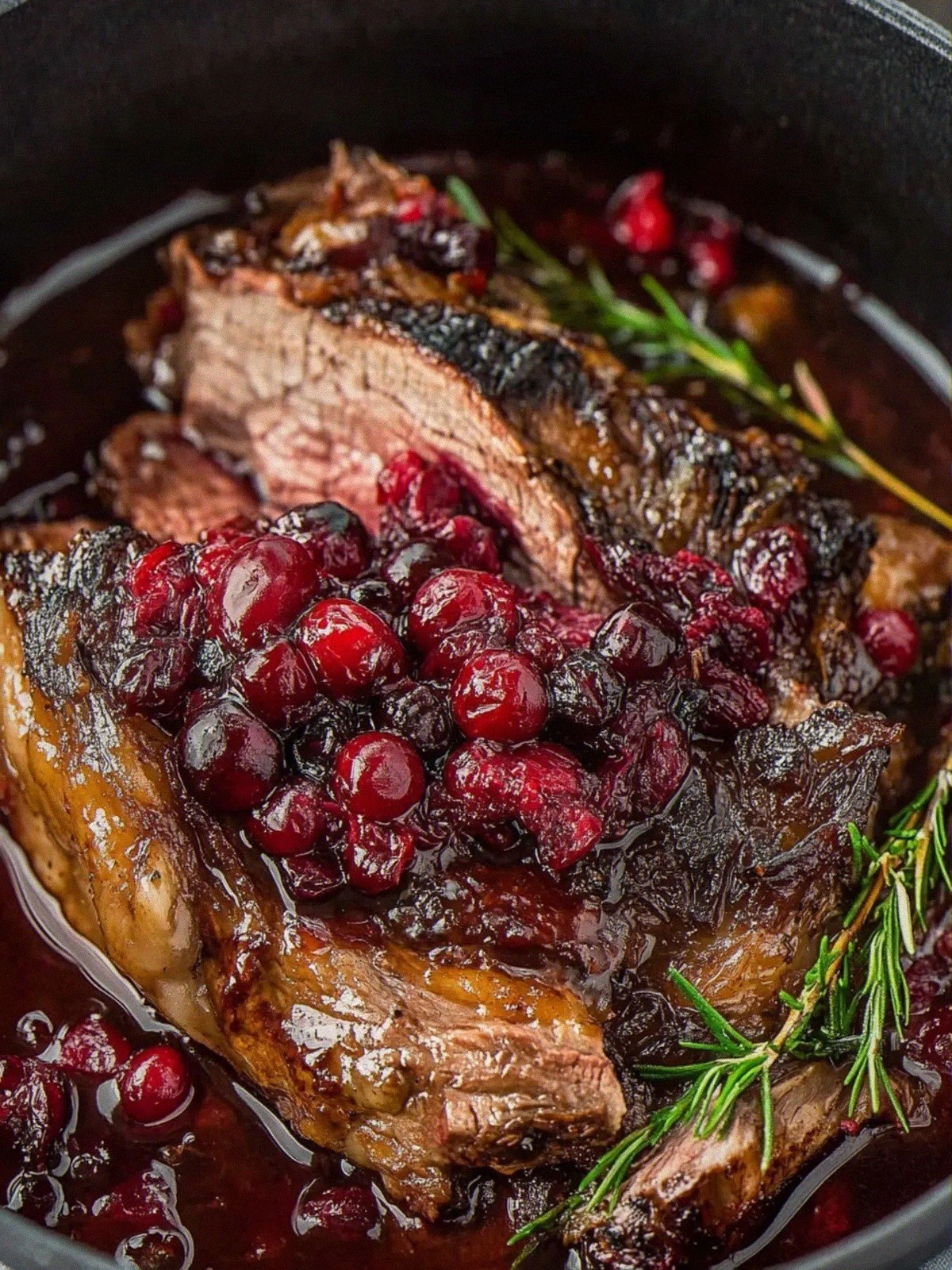
Slice the roast against the grain into ½‑inch thick slices, arranging them on a serving platter. Drizzle the remaining glaze over the top, ensuring each piece is coated with that luscious, tangy sheen. Scatter the softened cranberries and a few sprigs of thyme over the meat for a pop of color and an extra burst of aroma. The result is a dish that looks as impressive as it tastes, with a glossy finish that invites guests to dive right in.
Serve the roast alongside your favorite sides—creamy mashed potatoes, roasted Brussels sprouts, or a simple arugula salad tossed with lemon vinaigrette. The cranberry‑balsamic glaze pairs beautifully with both starchy and leafy accompaniments, creating a harmonious plate. And there you have it! But before you dig in, let me share some tips that will take this from great to absolutely unforgettable...
Similar Recipes
 Dinner
Karamellisiertes Sesam-Hähnchen: A Sweet and Savory Delight
Delicious Karamellisiertes Sesam-Hähnchen: A Sweet and Savory Delight
 Dinner
slow cooker beef pot roast with root vegetables for holiday comfort
Indulge in slow cooker beef pot roast with root veggies, perfect for holiday comfort food. Get…
 Dinner
Creamy Taco Macaroni Fiesta Recipe
Delicious Creamy Taco Macaroni Fiesta Recipe
 Dinner
slow cooker turkey and winter vegetable cacciatore for budgetfriendly meals
Delicious slow cooker turkey and winter vegetable cacciatore for budget-friendly meals, try this easy recipe now…
 Dinner
batch cooked chicken and sweet potato soup with spinach and herbs
Learn how to make delicious batch cooked chicken and sweet potato soup with spinach and herbs.…
 Dinner
Turkey Garlic Pesto Bowls
Discover a quick, protein-packed dinner with tender turkey, aromatic garlic pesto, and fresh veggies served over…
 Dinner
Honig-Senf-Hühnchen mit Pasta und Brokkoli genießen!
Learn how to make delicious Honig-Senf-Hühnchen mit Pasta und Brokkoli genießen!. Easy recipe with step-by-step instructions.
 Dinner
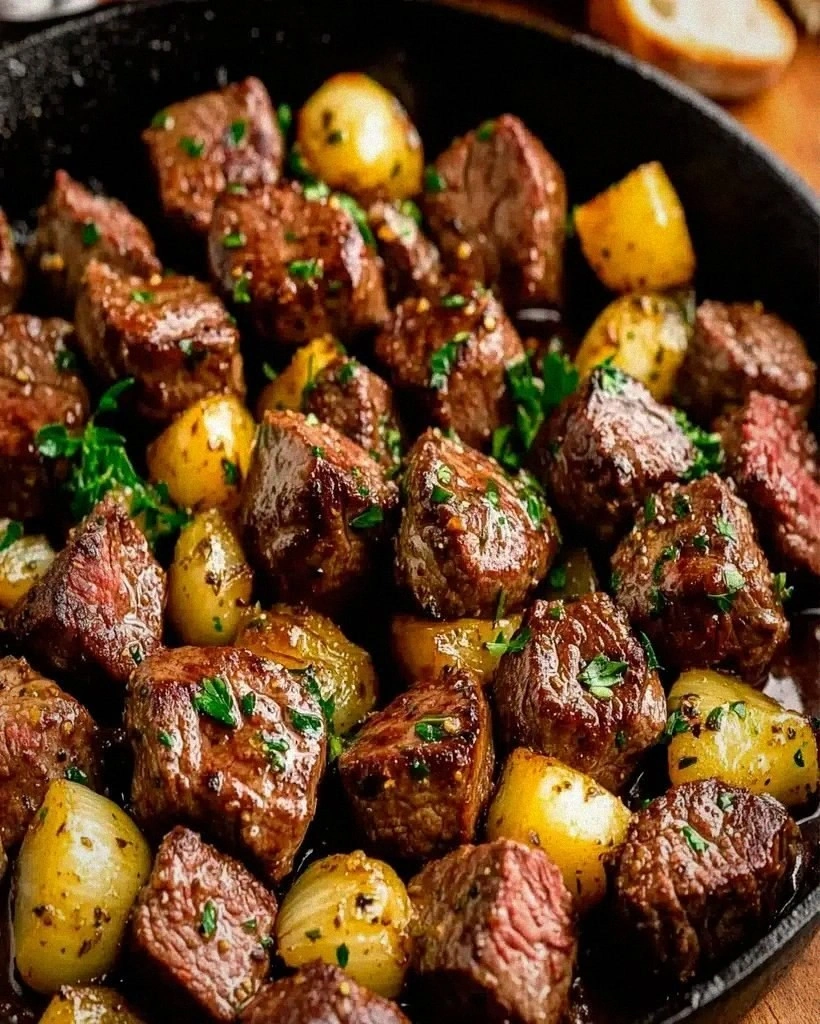
Garlic Butter Steak Bites Recipe – Quick & Delicious
Learn how to make delicious Garlic Butter Steak Bites Recipe – Quick & Delicious. Easy recipe…

Eva
I cook these recipes at home before they ever land here — simple ingredients, clear steps.