Spicy Szechuan Noodles: A Culinary Adventure into Bold Flavors
 Save
Save
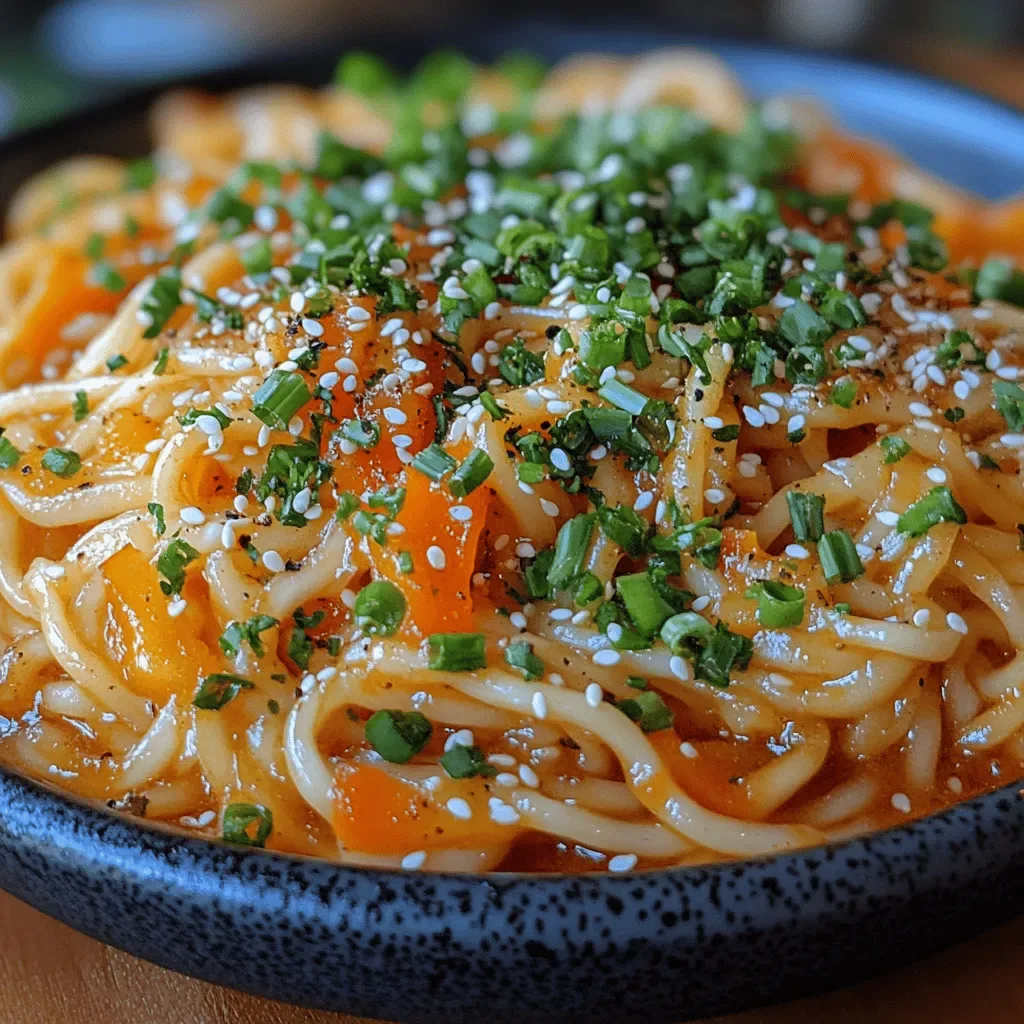
Imagine a bowl of noodles that crackles with heat, tingles your palate, and transports you straight to the bustling streets of Chengdu. That’s the promise of Spicy Szechuan Noodles – a dish that blends silky wheat noodles with a bold, tongue‑tingling sauce.
What makes this recipe truly special is the authentic Szechuan peppercorns that create a unique “ma‑la” (numbing‑spicy) sensation, paired with fermented bean paste for depth, and a splash of sesame oil for richness.
This dish is perfect for anyone who loves adventurous flavors—spice lovers, noodle enthusiasts, and even those new to Asian cuisine. Serve it as a hearty dinner, a lively lunch, or a crowd‑pleasing party starter.
The cooking process is straightforward: cook the noodles, whisk together a vibrant sauce, stir‑fry the aromatics, then toss everything together in a hot wok. In under 30 minutes you’ll have a restaurant‑quality bowl ready to devour.
Why You’ll Love This Recipe
Bold, Authentic Flavor: The combination of Szechuan peppercorn, doubanjiang, and chili oil delivers a layered heat that’s both numbing and fragrant, making every bite unforgettable.
Quick Weeknight Solution: With a prep time of just 20 minutes, this dish fits perfectly into busy evenings without sacrificing taste or quality.
Customizable Protein: Whether you prefer chicken, shrimp, tofu, or keep it vegetarian, the sauce clings beautifully to any protein you choose.
Vibrant Presentation: Bright reds, deep browns, and a sprinkle of green scallions make this bowl as eye‑catching as it is delicious.
Tips & Tricks
Perfecting the Recipe
Toast the peppercorns. Lightly toast Szechuan peppercorns in a dry pan before grinding. This releases their signature citrusy aroma and maximizes the numbing effect.
Reserve pasta water. Keep ½ cup of the noodle cooking water. Adding a splash during the toss helps the sauce cling better and creates a silky texture.
Pre‑slice the chicken. Cutting the protein thin ensures it cooks in under 5 minutes, preventing over‑cooking and keeping it juicy.
Flavor Enhancements
Add a teaspoon of fermented black bean paste for extra umami, or finish with a squeeze of fresh lime juice for bright acidity. A pinch of roasted peanuts adds crunch and a subtle earthy note.
Common Mistakes to Avoid
Never over‑cook the noodles; they should retain a slight bite, otherwise they become mushy when tossed with sauce. Also, avoid adding all the sauce at once—gradual incorporation lets you control thickness and prevents a soggy bowl.
Pro Tips
Use a wok for heat distribution. Its high sides and rapid heat transfer give you the perfect sear and quick stir‑fry without losing ingredients.
Adjust heat gradually. Start with medium‑high for searing, then lower to medium when adding aromatics to avoid bitterness.
Finish with a cold oil. Drizzling a little extra chili oil just before serving preserves its bright heat and glossy sheen.
Garnish strategically. Sprinkle sesame seeds and cilantro right before serving to keep textures fresh and flavors vivid.
Variations
Ingredient Swaps
Swap chicken for shrimp, thinly sliced beef, or firm tofu for a vegetarian version. Replace wheat noodles with rice noodles or soba for a different texture. If you’re out of doubanjiang, use a blend of miso and chili paste to mimic its salty‑spicy profile.
Dietary Adjustments
For gluten‑free diners, choose tamari instead of soy sauce and verify that the doubanjiang is wheat‑free. To make the dish vegan, replace chicken broth with vegetable broth and use tofu or seitan as the protein. Keto lovers can cut the noodles and serve the sauce over spiralized zucchini.
Serving Suggestions
Pair the noodles with steamed jasmine rice to soak up extra sauce, or serve alongside a crisp cucumber‑sesame salad for contrast. A side of pickled carrots adds acidity that balances the rich, spicy broth.
Storage Info
Leftover Storage
Cool the noodles and sauce to room temperature before transferring them to an airtight container. Store in the refrigerator for up to 3 days. For longer keeping, separate the sauce from the noodles, freeze each in portion‑size bags, and use within 2–3 months. This prevents sogginess and maintains flavor.
Reheating Instructions
Reheat in a skillet over medium heat, adding a splash of broth or water to revive the sauce’s gloss. Stir constantly for 3–4 minutes until piping hot. Alternatively, microwave in a covered bowl on medium power for 1½–2 minutes, stirring halfway through, and finish with a drizzle of fresh chili oil.
Frequently Asked Questions
Can I make this recipe ahead of time?
How spicy is this dish, and can I adjust the heat?
Can I use gluten‑free noodles?
What side dishes complement Spicy Szechuan Noodles?
Spicy Szechuan Noodles bring the daring flavors of Sichuan cuisine to your kitchen with minimal effort. By mastering the balance of numbing peppercorns, fermented bean paste, and fresh aromatics, you’ll create a dish that’s both comforting and exhilarating. Feel free to swap proteins, tweak the heat, or add your favorite vegetables—cooking is an adventure, after all. Enjoy every slurp of this bold, unforgettable bowl!
Spicy Szechuan Noodles: A Culinary Adventure into Bold Flavors
Delicious Spicy Szechuan Noodles: A Culinary Adventure into Bold Flavors
Ingredients
Noodles & Protein
- 300 g (10 oz) dried wheat noodles
- 200 g (7 oz) boneless skinless chicken thighs, sliced thin
Sauce Components
- 2 tablespoons Chinese doubanjiang (fermented bean paste)
- 1 tablespoon soy sauce (low‑sodium)
- 1 tablespoon Chinese black vinegar
- 1 teaspoon Szechuan peppercorns, toasted and ground
- 1 teaspoon chili oil (adjust to heat preference)
- 2 tablespoons chicken broth (or vegetable broth)
Aromatics & Vegetables
- 3 cloves garlic, minced
- 1 inch fresh ginger, grated
- 1 red bell pepper, thinly sliced
- 2 green onions, sliced (white and green parts separate)
Seasonings & Garnish
- 1 teaspoon sugar (or honey)
- 1 tablespoon toasted sesame oil
- Sesame seeds, for sprinkling
- Fresh cilantro leaves, optional
Instructions
Stir‑Fry Assembly
- Heat the wok. Place a wok or large skillet over medium‑high heat. Add 2 tablespoons vegetable oil and swirl until shimmering, about 30 seconds. A hot surface ensures a quick sear without steaming.
- Sear the chicken. Add the sliced chicken thighs in a single layer. Cook, undisturbed, for 2–3 minutes per side until golden brown and just cooked through. Remove and set aside; the juices will enrich the sauce later.
- Sauté aromatics. Reduce heat to medium. Toss in minced garlic, grated ginger, and the white parts of the green onions. Stir for 30‑45 seconds until fragrant, being careful not to let them brown.
- Introduce the sauce. Give the prepared sauce a quick stir, then pour it into the wok. Bring to a gentle simmer, allowing it to thicken slightly—about 2 minutes. Scrape up any browned bits; they add depth.
- Combine noodles and protein. Add the cooked noodles and seared chicken back into the wok. Toss vigorously with tongs, ensuring every noodle is evenly coated. Cook for another 1–2 minutes so the noodles absorb the sauce and heat through.
Similar Recipes
 Dinner
Chicken Alfredo with Garlic Toast
Learn how to make delicious Chicken Alfredo with Garlic Toast. Easy recipe with step-by-step instructions.
 Dinner
Honig-Senf-Hühnchen mit Pasta und Brokkoli genießen!
Learn how to make delicious Honig-Senf-Hühnchen mit Pasta und Brokkoli genießen!. Easy recipe with step-by-step instructions.
 Dinner
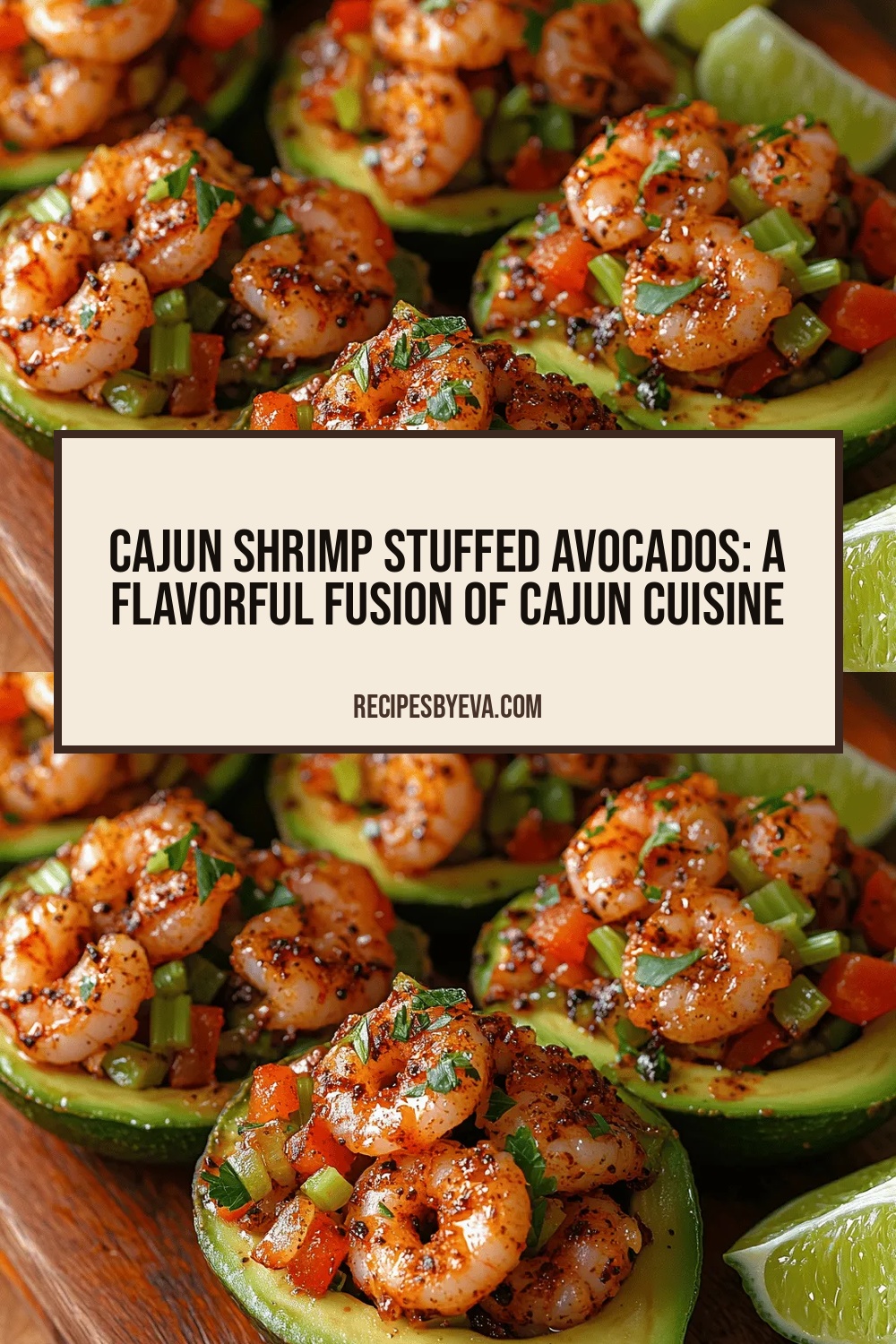
Cajun Shrimp Stuffed Avocados: A Flavorful Fusion of Cajun Cuisine and Freshness
Delicious Cajun Shrimp Stuffed Avocados: A Flavorful Fusion of Cajun Cuisine and Freshness
 Dinner
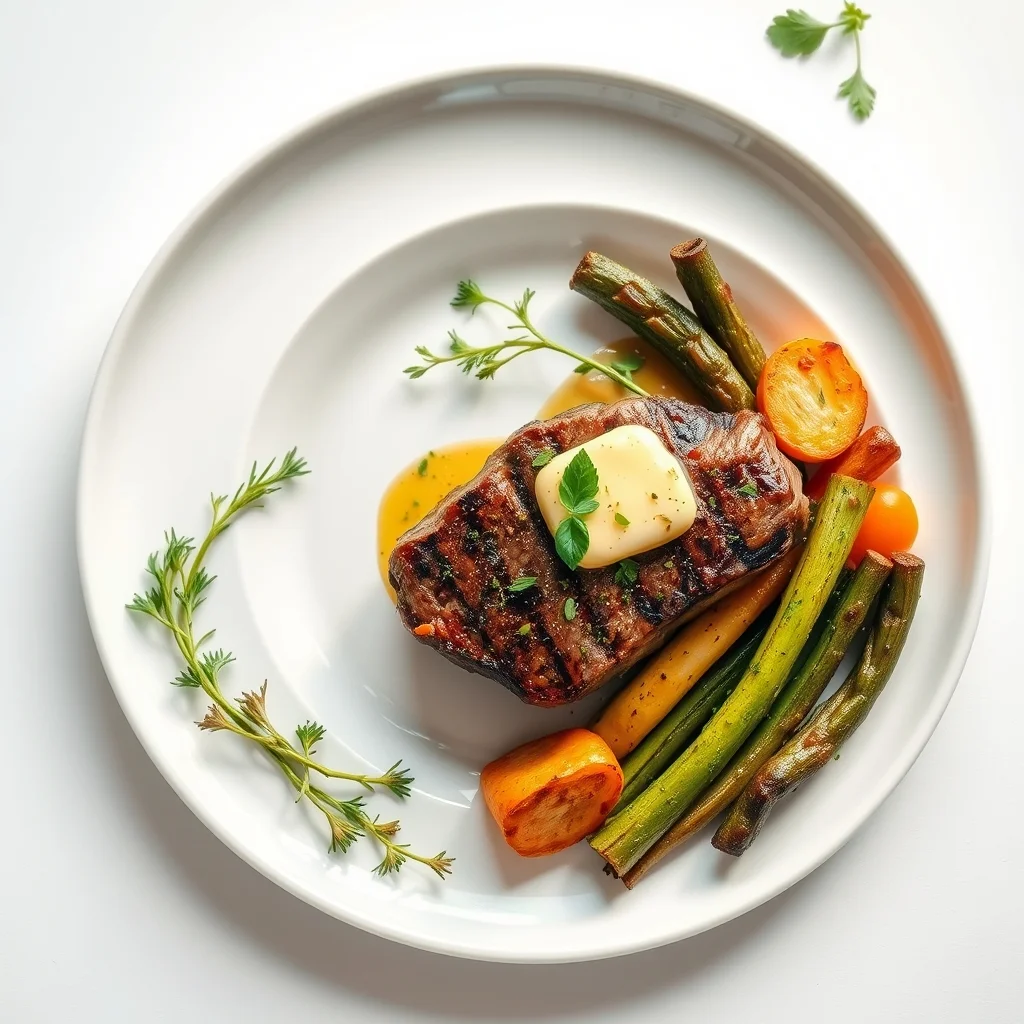
Herb Butter Seared Steak with Seasonal Veggies
Delicious Herb Butter Seared Steak with Seasonal Veggies
 Dinner
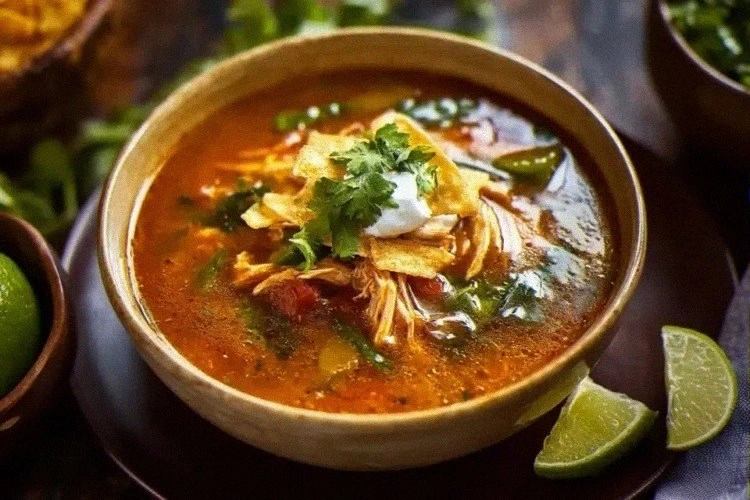
Poblano Chicken Tortilla Soup: A Cozy Bowl of Comfort
Learn how to make delicious Poblano Chicken Tortilla Soup: A Cozy Bowl of Comfort. Easy recipe…
 Dinner
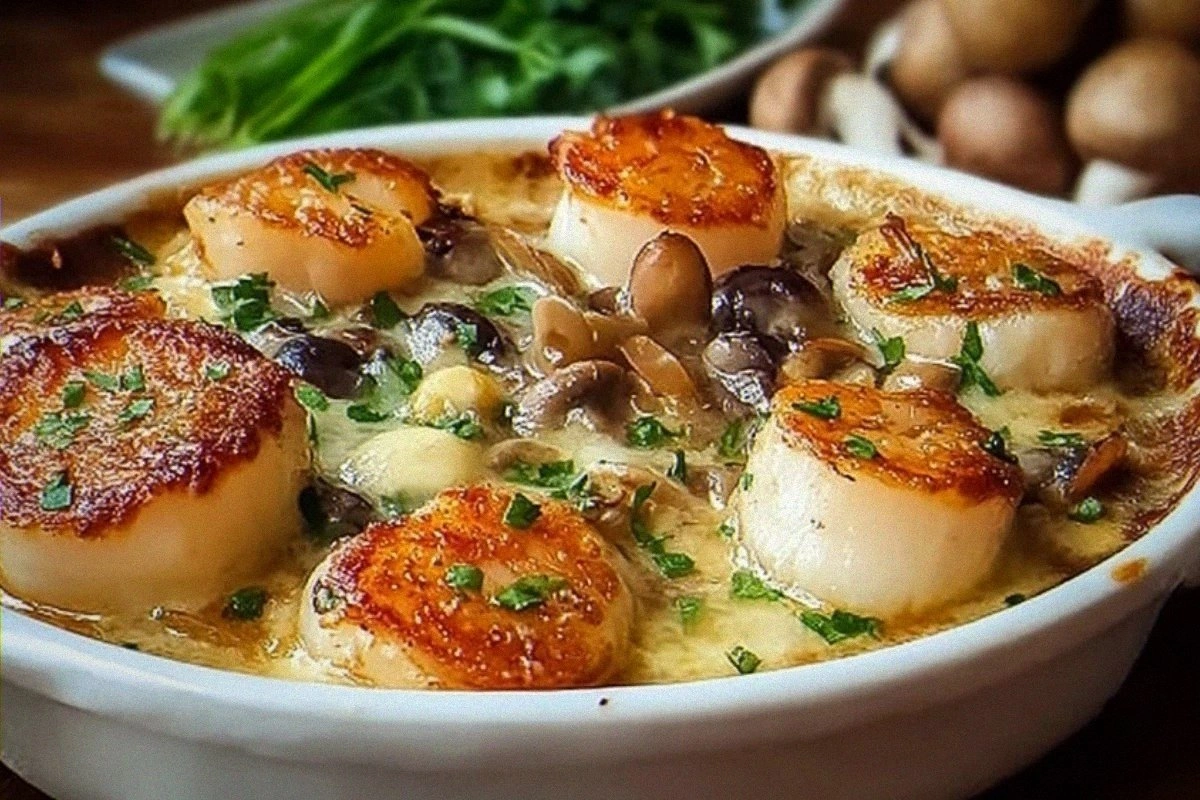
Gourmet Seafood Cassolette
Learn how to make delicious Gourmet Seafood Cassolette. Easy recipe with step-by-step instructions.
 Dinner
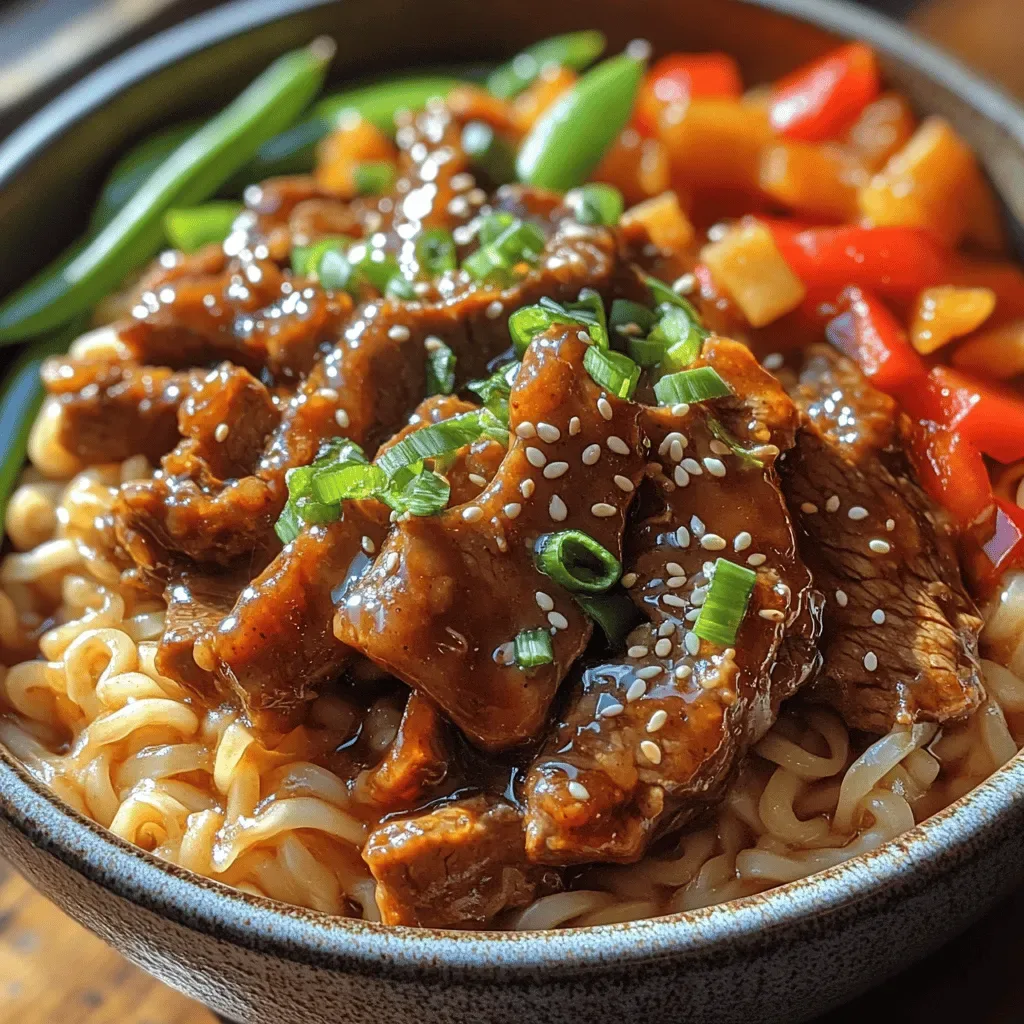
Sweet & Spicy Hoisin Beef Noodles Recipe
Delicious Sweet & Spicy Hoisin Beef Noodles Recipe
 Dinner
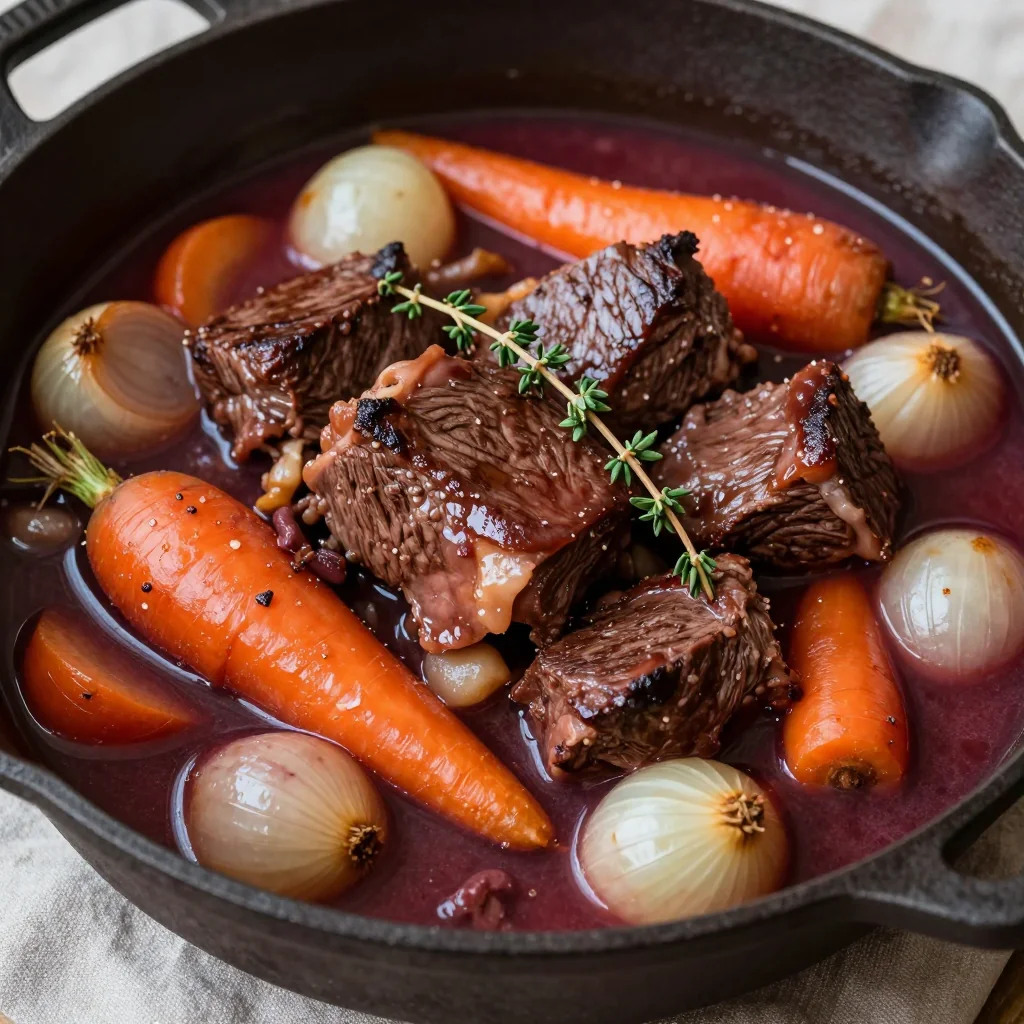
tender beef bourguignon with root vegetables for warm winter suppers
Learn how to make delicious tender beef bourguignon with root vegetables for warm winter suppers. Easy…

Eva
I cook these recipes at home before they ever land here — simple ingredients, clear steps.