Lazy Sunday Neapolitan Cake
 Save
Save
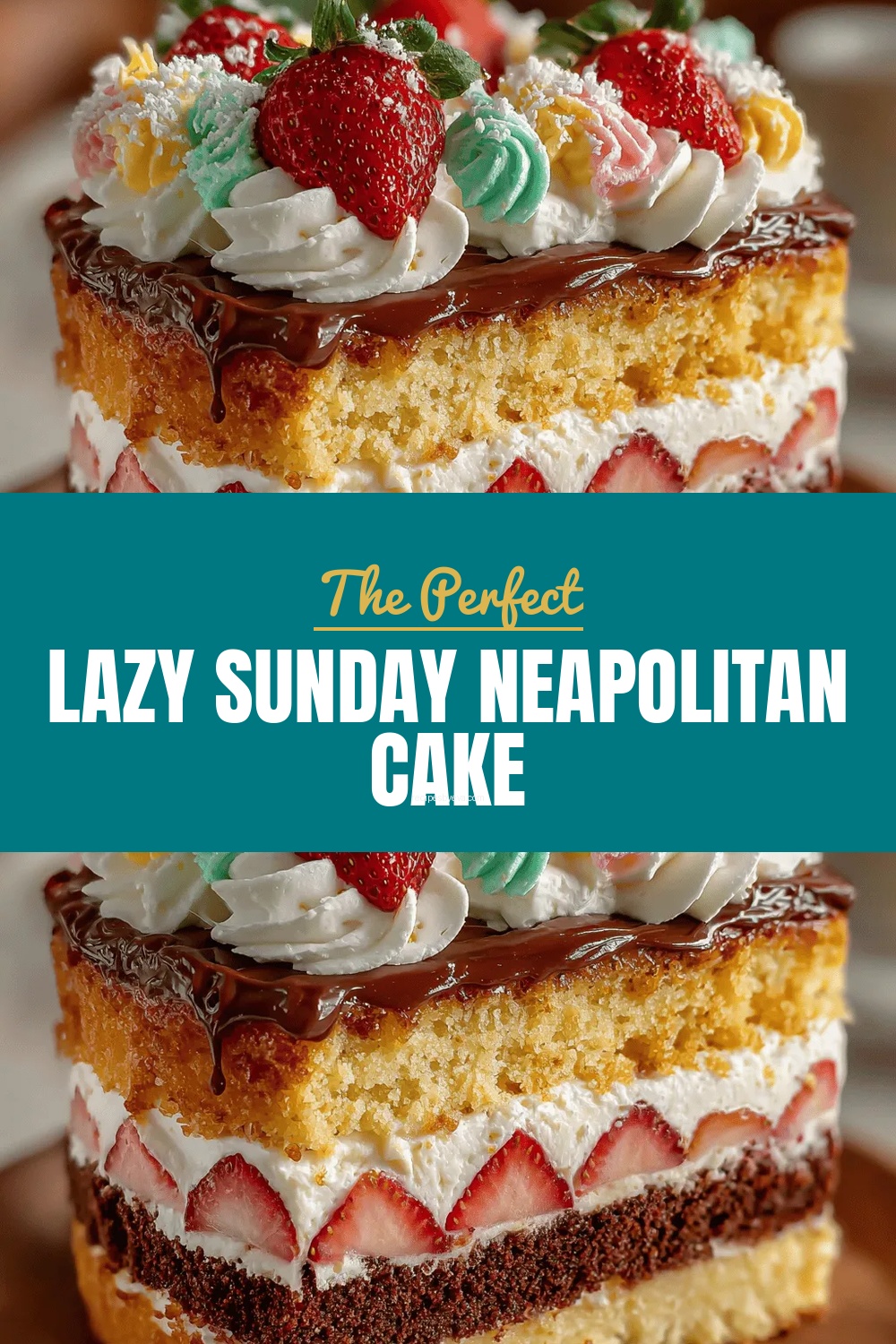
Imagine a Sunday morning where the aroma of fresh orange zest, buttery sponge, and creamy ricotta fills your kitchen, coaxing even the deepest sleepers out of bed. That’s the magic of a Lazy Sunday Neapolitan Cake—a sweet‑savory masterpiece that feels indulgent yet effortless.
What makes this cake special is its three‑layer structure: a light vanilla‑orange sponge, a silky ricotta‑lemon filling, and a glossy chocolate‑strawberry glaze. Each layer brings its own texture and flavor, creating a harmonious bite that feels both classic and contemporary.
This cake is perfect for families who love a brunch that feels like a celebration, for friends gathering over coffee, or for anyone who craves a dessert that can double as a hearty breakfast. Serve it on lazy weekends, holiday brunches, or even as a sweet finish to a casual dinner.
The process is straightforward: whisk a simple batter, bake the sponge, fold a ricotta mixture, drizzle a quick glaze, and let the cake set. With just a handful of pantry staples and a bit of love, you’ll have a show‑stopping cake without the fuss.
Why You'll Love This Recipe
Three‑Layer Delight: The combination of sponge, ricotta filling, and chocolate‑strawberry glaze creates a balanced flavor profile that feels both light and indulgent in every forkful.
Minimal Equipment: You only need a mixing bowl, a cake pan, and a small saucepan—no fancy gadgets, making it ideal for a relaxed weekend kitchen.
Make‑Ahead Friendly: The cake can be assembled the night before, allowing the flavors to meld and giving you a stress‑free morning when the cake is already chilled and ready.
Versatile Presentation: Slice it for a plated breakfast, cut into bite‑size squares for a brunch buffet, or serve whole with fresh berries for a stunning centerpiece.
Tips & Tricks
Perfecting the Recipe
Room‑Temperature Eggs. Using eggs at room temperature helps create a lighter sponge because they incorporate air more easily during beating.
Don’t Overmix. Once flour is added, stir just until combined; excess gluten formation leads to a dense, rubbery cake.
Even Cooling. Cool the sponge on a wire rack uncovered; this prevents steam from making the top soggy.
Glaze Temperature. Apply the glaze while it’s still warm but not scorching; this ensures it spreads smoothly and sets with a glossy finish.
Flavor Enhancements
Add a teaspoon of almond extract to the sponge for a subtle nutty undertone, or fold in finely chopped candied orange peel for extra citrus zing. A pinch of sea salt in the chocolate glaze amplifies the chocolate’s depth and balances the sweetness of the strawberry puree.
Common Mistakes to Avoid
Skipping the chill step often results in a runny glaze that slides off the cake. Also, avoid using low‑fat ricotta; the higher fat content yields a richer, creamier filling that holds its shape when sliced.
Pro Tips
Use a Light‑Colored Pan. Dark pans can cause the edges of the sponge to over‑brown before the center sets.
Tap Out Air Bubbles. After pouring the batter, give the pan a gentle tap on the counter to release any trapped air.
Room‑Temp Ricotta. Let ricotta sit out for 10 minutes before mixing; this prevents lumps and creates a smoother filling.
Glaze Consistency Test. Dip a spoon into the glaze; if it coats the back without running, it’s perfect for pouring.
Variations
Ingredient Swaps
Replace the orange zest with lemon or lime for a different citrus profile. Swap ricotta for mascarpone if you prefer an ultra‑creamy texture, or use Greek yogurt for a tangier, lighter filling. For a vegan version, substitute the butter with coconut oil and use almond milk in the sponge.
Dietary Adjustments
Use a gluten‑free flour blend (1 ½ cups) to keep the cake safe for gluten‑intolerant guests. For a low‑sugar option, halve the granulated and powdered sugars and add a natural sweetener like erythritol. To make it dairy‑free, choose a plant‑based ricotta alternative and replace butter with a neutral oil.
Serving Suggestions
Pair each slice with a dollop of lightly sweetened mascarpone or a drizzle of honey‑cinnamon yogurt. A side of fresh mixed berries adds acidity, while a glass of chilled Prosecco or a robust espresso balances the cake’s richness for a truly indulgent brunch.
Storage Info
Leftover Storage
Once the cake has set, cover it loosely with plastic wrap or store in an airtight container. It will keep in the refrigerator for up to 4 days, retaining its moisture and flavor. For longer keeping, slice the cake, wrap each piece individually, and freeze for up to 2 months; this prevents freezer burn and preserves the glaze.
Reheating Instructions
To enjoy a slice warm, preheat the oven to 300°F (150°C), place the piece on a baking sheet, and heat for 8‑10 minutes, or until the glaze softens. Microwaving for 20‑30 seconds works in a pinch, but the oven method keeps the texture from becoming rubbery.
Frequently Asked Questions
Can I make this cake a day ahead?
What if I don’t have fresh ricotta?
How can I make the glaze more glossy?
This Lazy Sunday Neapolitan Cake brings together bright citrus, creamy ricotta, and a decadent chocolate‑strawberry glaze in a way that feels both elegant and effortless. By following the step‑by‑step guide, using the tips for perfect texture, and experimenting with the suggested variations, you’ll create a brunch centerpiece that delights every palate. Feel free to tweak flavors, swap ingredients, or add your own garnish—cooking is your canvas. Enjoy every forkful of this beautiful, tasty masterpiece!
Lazy Sunday Neapolitan Cake
Delicious Lazy Sunday Neapolitan Cake
Ingredients
Sponge Base
- 1 ½ cups all‑purpose flour
- ½ cup granulated sugar
- 2 large eggs, room temperature
- ⅓ cup whole milk
- ¼ cup melted unsalted butter
- 1 tsp vanilla extract
- Zest of 1 large orange
Ricotta‑Lemon Filling
- 1 ½ cups fresh ricotta cheese
- ¼ cup powdered sugar
- 2 tsp lemon zest
- 1 tsp freshly squeezed lemon juice
- Pinch of sea salt
Chocolate‑Strawberry Glaze
- ½ cup dark chocolate chips (70% cacao)
- ¼ cup strawberry puree (fresh or thawed frozen)
- 1 tbsp heavy cream
Finishing Touches
- Fresh strawberries, sliced
- Powdered sugar, for dusting
Instructions
Baking & Cooling
- Bake the sponge. Place the pan in the middle rack and bake for 20‑25 minutes, or until a toothpick inserted in the center comes out clean. The edges should be lightly golden, indicating a perfect rise.
- Cool before filling. Remove the cake from the oven, run a thin knife around the edge to loosen, then invert onto a wire rack. Allow it to cool completely (about 15 minutes) before adding the ricotta layer; this prevents the filling from melting.
Preparing the Chocolate‑Strawberry Glaze
- Melt the chocolate. In a small saucepan over low heat, combine dark chocolate chips, strawberry puree, and heavy cream. Stir constantly until the chocolate is fully melted and the glaze is glossy. Remove from heat before it begins to boil.
- Glaze the cake. Pour the warm glaze over the ricotta‑filled sponge, allowing it to drip down the sides. Use a spatula to spread any excess evenly, creating a smooth, shiny finish.
Similar Recipes
 Desserts
Raspberry Bliss Sugar Cookies: A Delightful Treat
Delicious Raspberry Bliss Sugar Cookies: A Delightful Treat
 Desserts
Effortless Pineapple Delight Cake: A Tropical Treat for Every Occasion
Delicious Effortless Pineapple Delight Cake: A Tropical Treat for Every Occasion
 Desserts
chocolate peppermint bark with sea salt for christmas treat boxes
Learn how to make delicious chocolate peppermint bark with sea salt for christmas treat boxes. Easy…
 Desserts
Indulge in Raspberry Dream Cheesecake Bites: A Delightful Recipe for Any Occasion
Delicious Indulge in Raspberry Dream Cheesecake Bites: A Delightful Recipe for Any Occasion
 Desserts
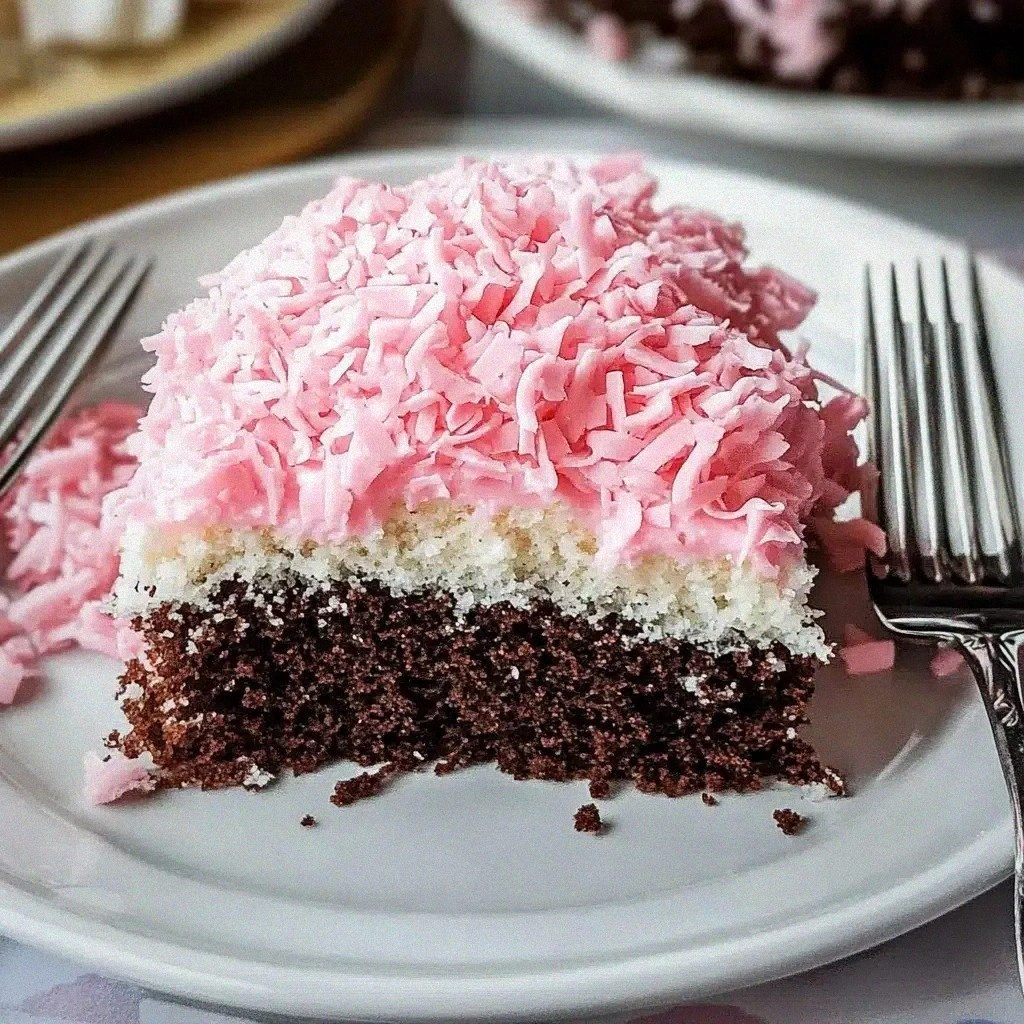
Hostess Snowball Cake: An Amazing Ultimate Recipe
Learn how to make delicious Hostess Snowball Cake: An Amazing Ultimate Recipe. Easy recipe with step-by-step…
 Desserts
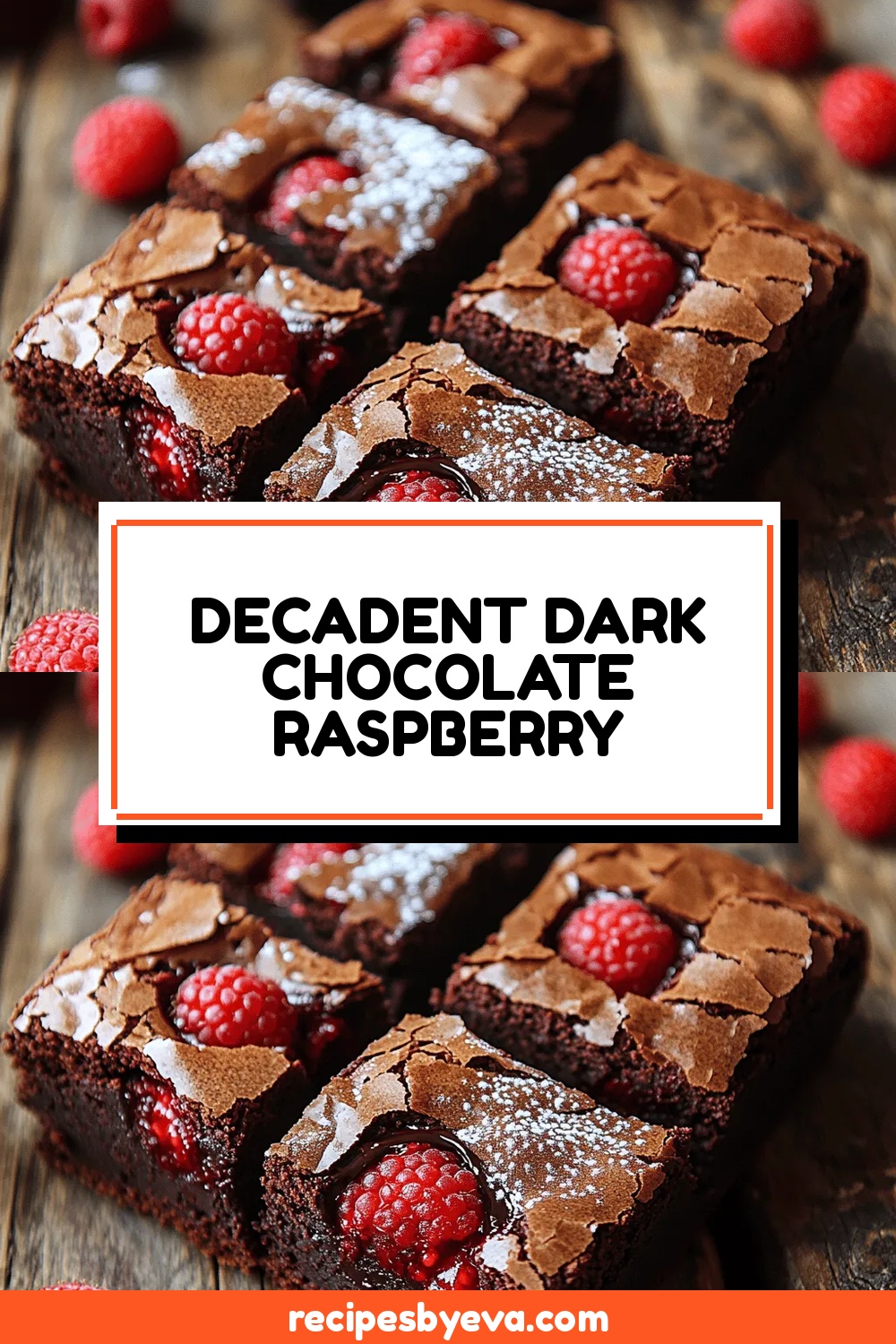
Decadent Dark Chocolate Raspberry Truffle Brownies
Delicious Decadent Dark Chocolate Raspberry Truffle Brownies
 Desserts
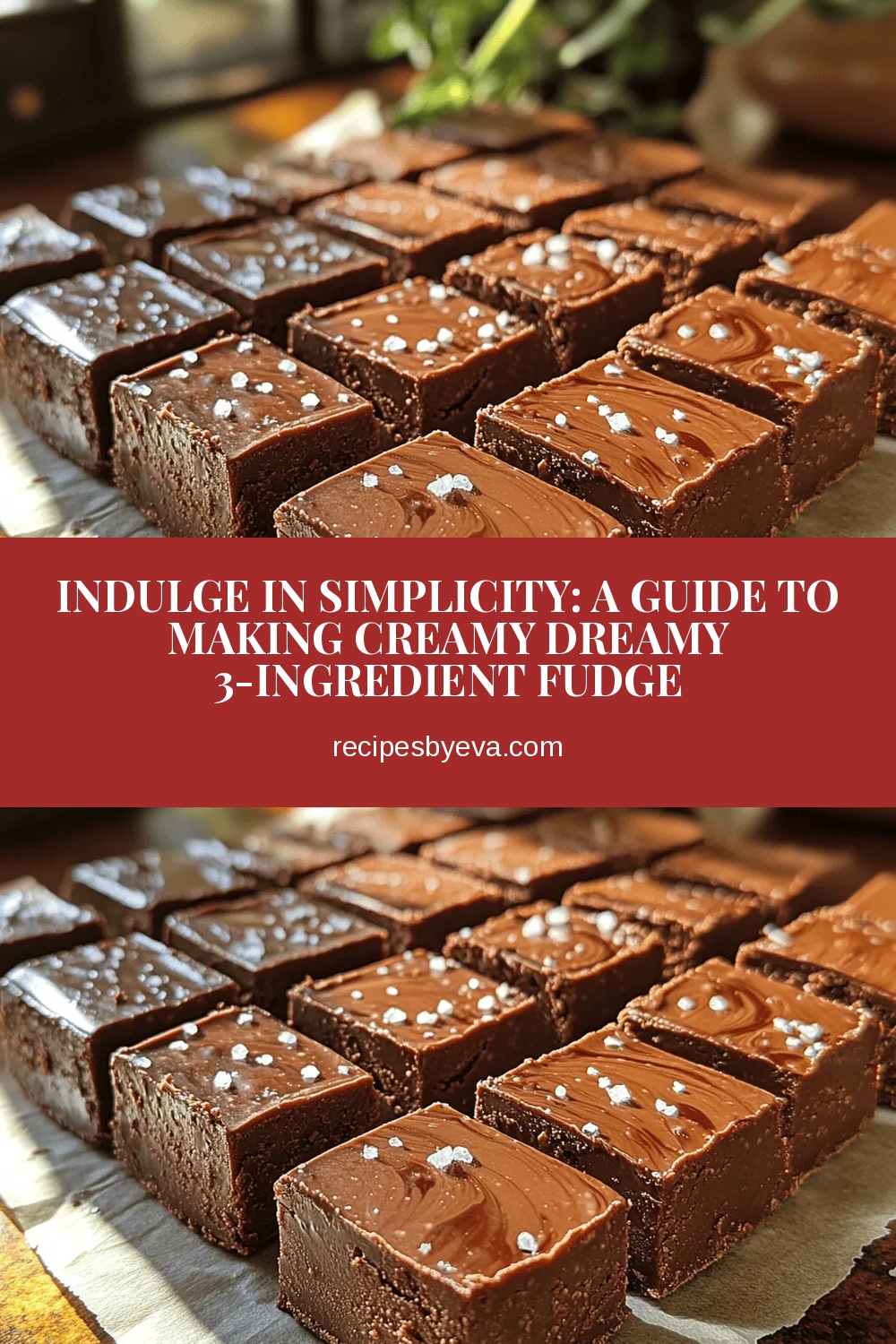
Indulge in Simplicity: A Guide to Making Creamy Dreamy 3-Ingredient Fudge
Delicious Indulge in Simplicity: A Guide to Making Creamy Dreamy 3-Ingredient Fudge
 Desserts
Caramel Pecan Pumpkin Cobbler: A Taste of Autumn Delights
Delicious Caramel Pecan Pumpkin Cobbler: A Taste of Autumn Delights

Eva
I cook these recipes at home before they ever land here — simple ingredients, clear steps.