Zesty Lemon Herb Grilled Salmon Fillets
 Save
Save
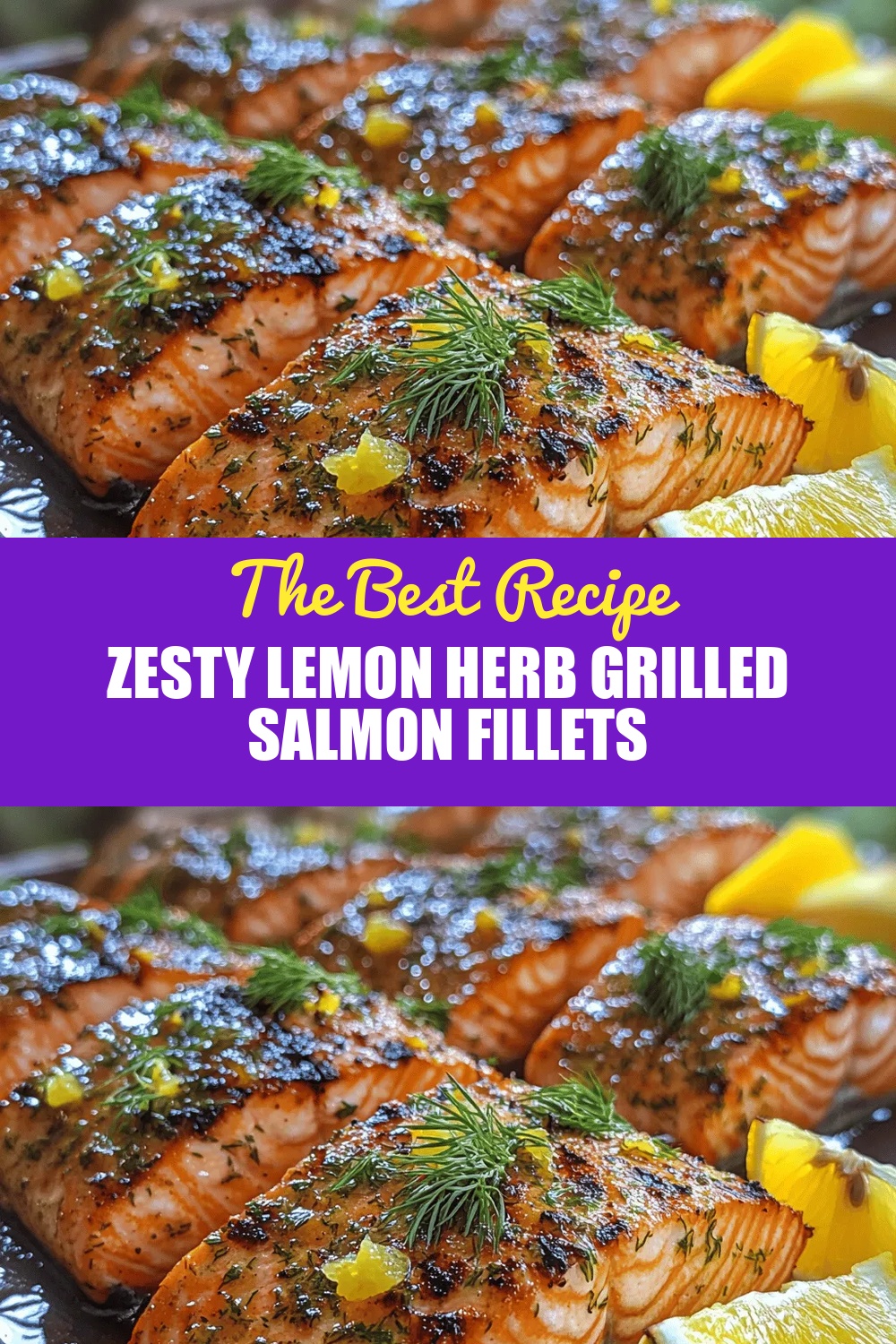
Imagine the scent of fresh lemons and fragrant herbs drifting off the grill, mingling with the buttery richness of perfectly cooked salmon. That’s the moment you’ll capture with Zesty Lemon Herb Grilled Salmon Fillets – a dish that feels both indulgent and effortless.
What sets this recipe apart is the bright, tangy lemon‑garlic‑herb glaze that caramelizes on the grill while the salmon stays moist and flaky inside. A quick brush of olive oil and a dash of sea salt let the natural flavor of the fish shine through.
This meal is ideal for anyone who loves seafood, from busy professionals seeking a quick weeknight dinner to weekend hosts wanting to impress guests with minimal fuss. Pair it with a light salad or roasted veggies for a balanced, satisfying plate.
The cooking process is straightforward: marinate the fillets, fire up the grill, cook the salmon skin‑side down for a perfect sear, then finish with a final brush of the lemon‑herb sauce. In under thirty minutes you’ll have a restaurant‑quality dish on the table.
Why You'll Love This Recipe
Bright & Zesty Flavor: Fresh lemon juice and zest cut through the richness of salmon, creating a lively palate that feels light yet satisfying.
Quick & Simple: With a prep time of just fifteen minutes, this dish fits perfectly into a busy schedule without sacrificing taste.
Healthy Omega‑3 Boost: Salmon delivers heart‑healthy fats and protein, while the herbs add antioxidants and fresh aroma.
Impressive Presentation: The golden‑brown grill marks and vibrant green herbs make the plate look as good as it tastes.
Tips & Tricks
Perfecting the Recipe
Dry the skin thoroughly. Moisture is the enemy of a crisp crust; pat the skin with paper towels before oiling.
Use a hot grill. A properly preheated grill sears the surface quickly, locking in juices and preventing the fish from sticking.
Don’t over‑cook. Salmon is best at 125‑130°F for a tender, slightly pink center; it continues to cook while resting.
Brush in layers. Applying the glaze in two stages builds a richer, caramelized coating without burning.
Flavor Enhancements
Add a pinch of red‑pepper flakes to the marinade for subtle heat, or stir in a teaspoon of Dijon mustard for extra depth. A splash of white wine in the glaze just before the final brush adds a sophisticated note without overwhelming the lemon.
Common Mistakes to Avoid
Skipping the resting period results in dry, watery fillets. Also, moving the fish too early on the grill can tear the skin and prevent a proper crust. Finally, using too much honey can cause the glaze to burn before the salmon is cooked through.
Pro Tips
Invest in a grill basket. If you’re worried about the fish slipping, a perforated grill basket keeps the fillets secure while still allowing grill marks.
Use a meat thermometer. Checking the internal temperature removes guesswork and guarantees perfectly cooked salmon every time.
Finish with butter. A small knob of cold butter swirled into the glaze at the end adds silkiness and a glossy finish.
Serve immediately. The skin loses its crunch if left to sit; plate and enjoy while the fillet is hot and the glaze is still glossy.
Variations
Ingredient Swaps
Swap salmon for trout or Arctic char for a slightly different texture. Replace fresh herbs with a tablespoon of pesto for an Italian twist, or use orange zest instead of lemon for a sweeter citrus profile. For a smoky edge, add a dash of smoked paprika to the marinade.
Dietary Adjustments
The recipe is naturally gluten‑free. To make it dairy‑free, skip the butter finish and use a splash of coconut milk in the glaze. For a low‑carb version, replace honey with a sugar‑free monk fruit syrup and serve over cauliflower rice or a crisp cucumber salad.
Serving Suggestions
Pair the fillets with herbed quinoa, grilled asparagus, or a simple arugula salad tossed in a lemon vinaigrette. A side of buttery garlic mashed potatoes works well for comfort‑food lovers, while a light couscous salad adds a Mediterranean flair.
Storage Info
Leftover Storage
Allow any leftovers to cool to room temperature, then transfer the salmon and any remaining glaze to an airtight container. Refrigerate for up to 3 days. For longer keeping, portion the fillets into freezer‑safe bags, lay flat, and freeze for up to 3 months. Seal tightly to prevent freezer burn and preserve flavor.
Reheating Instructions
Reheat gently to avoid drying out. Place the salmon in a preheated 300°F oven, covered with foil, for 10‑12 minutes, or until warmed through. For a quicker option, microwave on medium power for 1‑2 minutes, adding a splash of broth or leftover glaze to keep it moist. Finish with a quick brush of fresh lemon juice for revived brightness.
Frequently Asked Questions
Can I make this recipe ahead of time?
What if I only have frozen salmon?
How do I know when the salmon is perfectly cooked?
Can I use a stovetop grill pan instead of an outdoor grill?
This Zesty Lemon Herb Grilled Salmon brings together bright citrus, fresh herbs, and a hint of sweetness for a dish that’s both elegant and easy to master. You’ve learned the essential steps, storage tips, and creative variations to keep the recipe fresh in your rotation. Feel free to experiment with herbs, spices, or side dishes—cooking is a playground for flavor. Serve it hot, enjoy the compliments, and savor every bite of your beautifully grilled masterpiece.
Zesty Lemon Herb Grilled Salmon Fillets
Delicious Zesty Lemon Herb Grilled Salmon Fillets
Ingredients
Main Ingredients
- 4 salmon fillets (6‑ounce each), skin on
- 2 tablespoons extra‑virgin olive oil
Marinade & Sauce
- Juice of 2 lemons (about ¼ cup)
- Zest of 1 lemon
- 2 cloves garlic, minced
- 1 tablespoon honey
Seasonings & Garnish
- 1 tablespoon fresh parsley, finely chopped
- 1 tablespoon fresh dill, finely chopped
- ½ teaspoon fresh thyme leaves
- Sea salt, to taste
- Cracked black pepper, to taste
Instructions
Grilling the Salmon
- Preheat the grill. Heat a gas or charcoal grill to medium‑high (about 400°F/200°C). Clean the grates and oil them lightly with a paper towel dipped in oil to prevent sticking.
- Place the fillets skin‑side down. Lay the salmon on the hot grates, skin touching the grill. Close the lid and cook for 4‑5 minutes without moving; the skin will become crisp and release easily when ready.
- Flip and baste. Using a spatula, carefully turn the fillets over. Brush the flesh side with half of the lemon‑herb mixture, then grill for another 3‑4 minutes, or until the internal temperature reaches 125°F (52°C) for medium‑rare.
- Finish the glaze. During the last minute of cooking, brush the remaining marinade over the top. The honey will caramelize, creating a glossy, slightly sticky coating that clings to the fish.
- Rest before serving. Transfer the fillets to a platter and let them rest for 3‑5 minutes. Resting lets the juices redistribute, ensuring each bite is moist and flavorful.
Similar Recipes
 Dinner
Creamy Basil Pesto Chicken: A Culinary Delight
Delicious Creamy Basil Pesto Chicken: A Culinary Delight
 Dinner
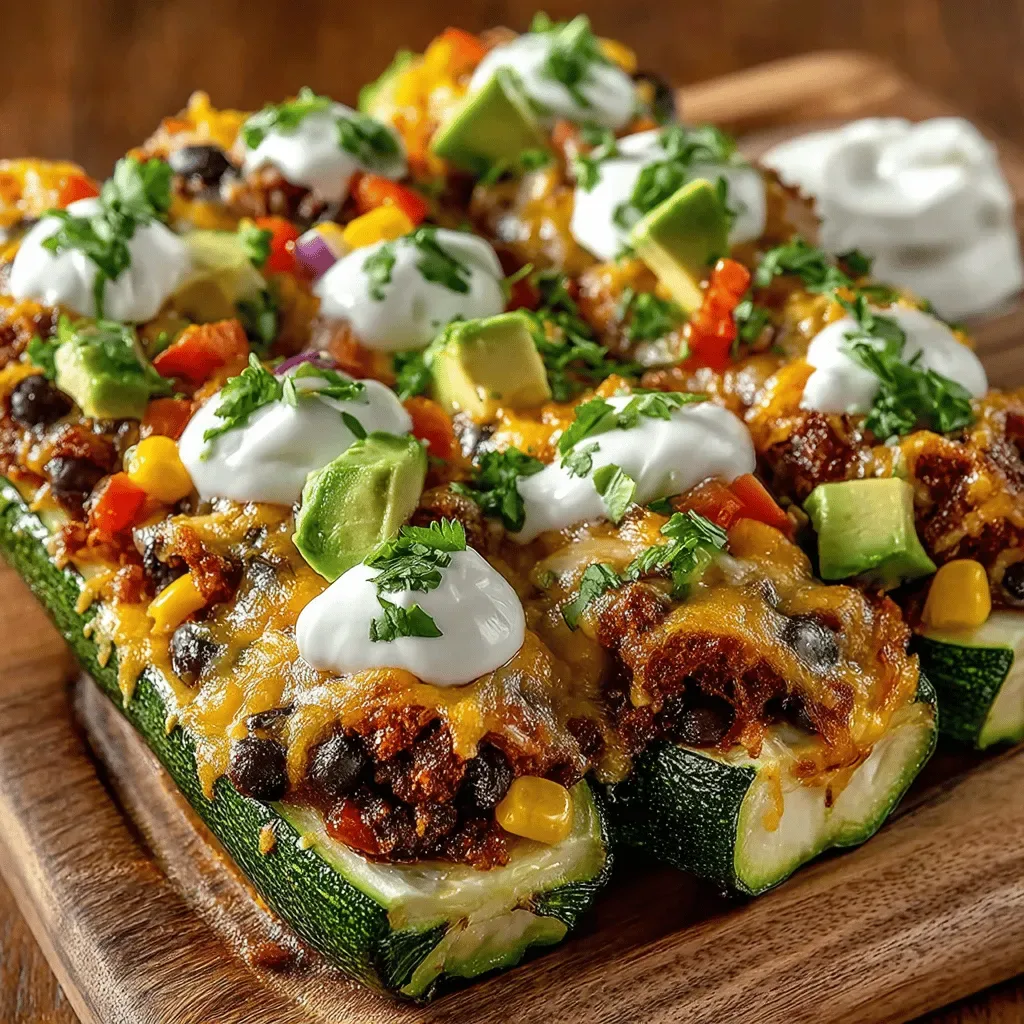
Zesty Zucchini Nacho Boats Recipe
Delicious Zesty Zucchini Nacho Boats Recipe
 Dinner
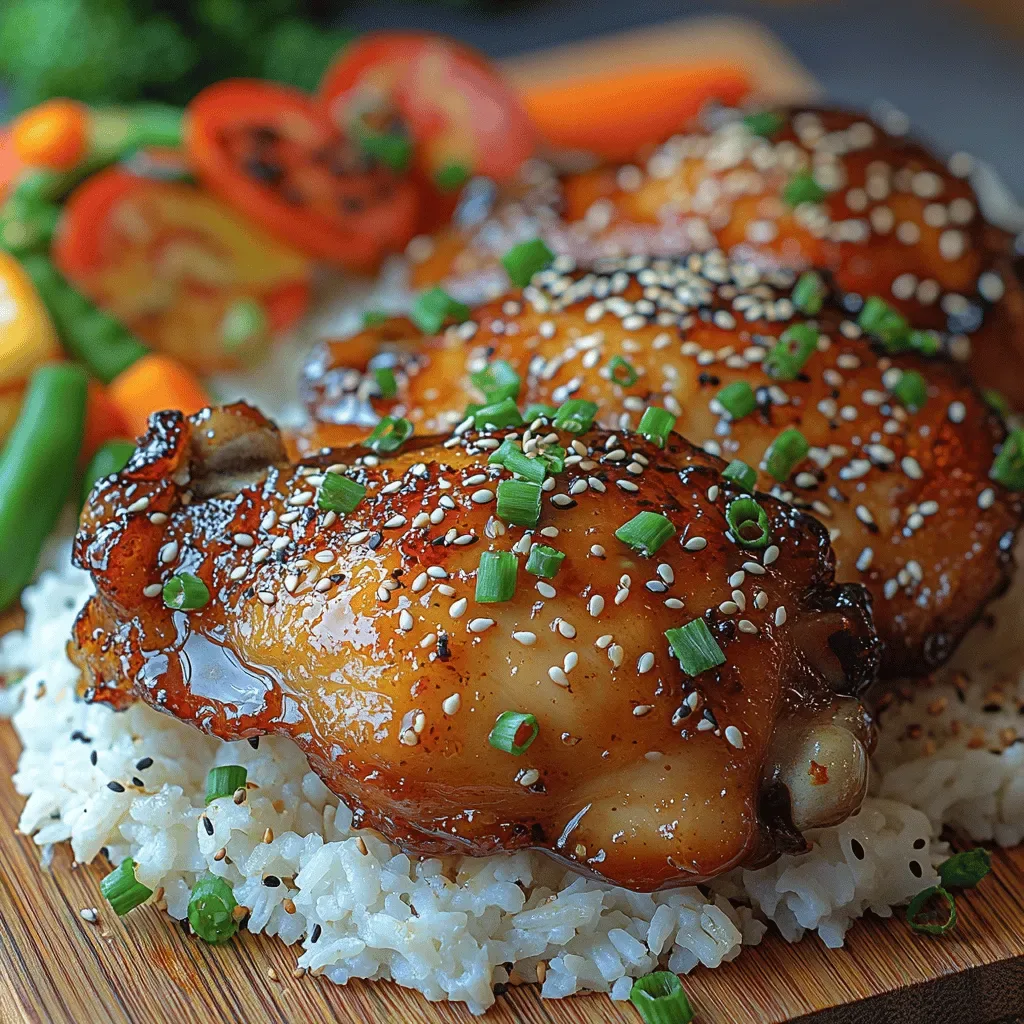
Sweet and Savory Sticky Teriyaki Chicken Thighs
Delicious Sweet and Savory Sticky Teriyaki Chicken Thighs
 Dinner
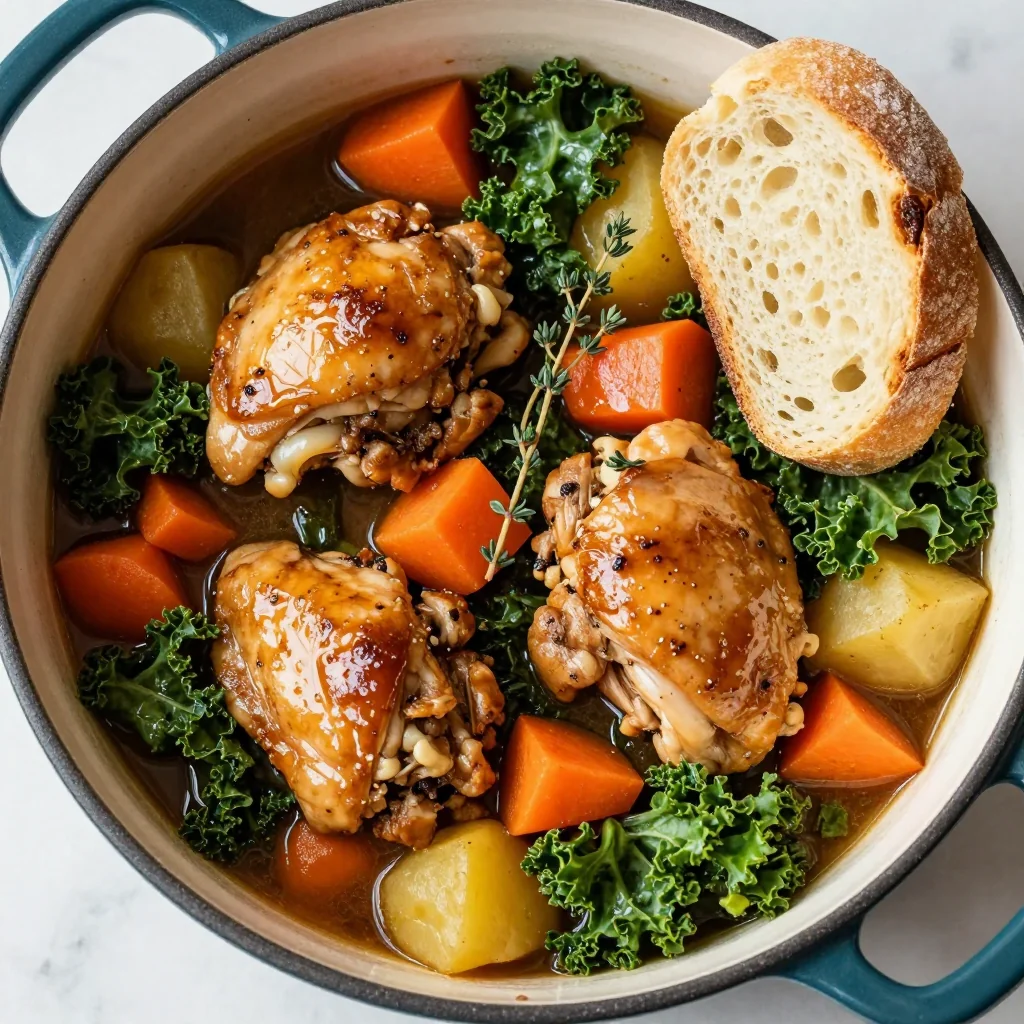
cozy onepot chicken kale and root vegetable stew for winter
Learn how to make delicious cozy onepot chicken kale and root vegetable stew for winter. Easy…
 Dinner
Pink Sauce Pasta Extravaganza: A Creamy Delight
Delicious Pink Sauce Pasta Extravaganza: A Creamy Delight
 Dinner
Shredded Duck Tacos Recipe
Delicious Shredded Duck Tacos Recipe
 Dinner
Crispy Air Fryer Garlic Parmesan Chicken Recipe
Delicious Crispy Air Fryer Garlic Parmesan Chicken Recipe
 Dinner
Turkey Delight Meatballs: A Healthy and Delicious Recipe
Delicious Turkey Delight Meatballs: A Healthy and Delicious Recipe

Eva
I cook these recipes at home before they ever land here — simple ingredients, clear steps.